
A Senior’s Guide to Getting Ready for Tax Season
Tax season can feel overwhelming for older adults and their caregivers, but a little preparation goes a long way. Understanding how tax rules apply to retirement income, Social Security benefits, and potential deductions helps ensure you file accurately and avoid surprises. This guide breaks down key considerations and practical steps to help seniors and caregivers navigate the process with confidence.
Know When You Need to File
Not all retirees have to file a federal tax return every year. Whether you need to file depends on your total income, filing status, and age. For example, some seniors with income solely from Social Security may not meet the minimum thresholds that require filing. The TurboTax resource on Social Security and filing requirements explains how Social Security benefits factor into your overall taxable income.
It’s important to check current income thresholds each year since they can change with inflation and new tax laws. Caregivers should help by gathering all necessary documents and comparing them to IRS guidance to determine filing requirements.
Gather Key Financial Documents
Organization is half the battle. Before you start your return, collect the following:
- Social Security and pension statements
- 1099s for retirement account withdrawals or interest income
- Year-end bank and investment statements
- Property tax and mortgage interest statements
- Any records of deductible expenses
Having these documents ready not only speeds up tax preparation but also reduces stress and improves accuracy.
Understand Taxable vs. Non-Taxable Income
Not all income is treated the same. Many seniors receive a mix of Social Security, retirement distributions, investment earnings, and possibly part-time wages. Some of these sources may be partially or fully taxable. The IRS Seniors & Retirees portal provides helpful details on how different types of income are taxed, filing thresholds, and available credits.
For example, a portion of Social Security benefits may be taxable based on your combined income. Retirement account withdrawals, such as from IRAs or 401(k)s, are typically taxable unless they’re a Roth distribution that meets certain criteria.
Explore Deductions and Credits
Seniors may qualify for tax breaks that reduce their taxable income. Common deductions include:
- Medical and dental expenses above a certain percentage of income
- Property tax deductions
- Charitable contributions
- Standard deduction (which is higher for taxpayers over a certain age)
List these out early and keep receipts organized so you can claim eligible deductions without scrambling at the last minute.
Consider Professional Help
Taxes for seniors can be complex, especially when retirement accounts, Required Minimum Distributions (RMDs), and investment income are involved. A certified tax professional or trusted preparer can help ensure returns are correct and optimized for your situation. Caregivers can assist by organizing information and attending appointments if needed.
Ready for Support This Tax Season?
Preparing for tax season doesn’t have to be stressful. With the right information and organization, seniors and caregivers can approach filing with confidence. If your loved one is considering a supportive community where financial peace of mind and overall well-being are priorities, contact McPeaks Assisted Living or call 631-475-0445.
Our team is here to support every aspect of senior living, including resources that help families plan for life’s milestones.
Creating a Meaningful Retirement: Discovering Purpose and Leaving a Lasting Legacy
Retirement is more than an endpoint; it’s a new beginning. For many older adults, this phase of life offers a chance to reconnect with personal passions, reflect on past accomplishments, and explore a deeper sense of purpose. Creating a meaningful retirement involves more than financial planning; it’s about shaping a lifestyle rooted in fulfillment, resilience, and connection. At McPeaks Assisted Living, we support our residents in making the most of this important chapter.
Why Purpose Matters in Retirement
Having a sense of purpose in retirement is directly linked to better health and happiness. According to the National Institutes of Health, older adults who maintain purpose experience lower rates of cognitive decline, greater emotional well-being, and even improved physical health. Whether it’s mentoring, creative projects, or volunteering, purposeful living keeps the mind active and the heart full.
At McPeaks, we’ve seen how meaningful routines, engaging activities, and strong community ties can significantly improve quality of life. Retirement isn’t just about slowing down; it’s about choosing how to spend your time in ways that bring joy and satisfaction.
Resilient Living in the New Era of Retirement
Today’s retirees are redefining what this stage of life looks like. According to Edward Jones, seniors are increasingly focused on resilient choices—prioritizing health, family, relationships, and legacy. This shift is reshaping how we think about aging. Seniors are seeking not just care, but opportunity: opportunities to grow, give back, and stay engaged with the world around them.
At McPeaks Assisted Living, we help residents embrace this mindset through social events, personal development activities, and a supportive environment that encourages independence. Residents can explore what matters most to them while enjoying the comfort and peace of mind that comes with daily support.
A Supportive Environment for a Fulfilling Lifestyle
Living in a warm, welcoming setting makes it easier to focus on what’s meaningful. McPeaks offers the structure and care many seniors need—freeing them to pursue personal goals, maintain friendships, and build their legacy. Whether it’s reflecting on the past or creating new memories, retirement at McPeaks is full of potential.
We believe everyone deserves to feel valued, purposeful, and connected at every stage of life.
Start Building Your Meaningful Retirement Today
If you or a loved one is ready to explore a retirement lifestyle that supports purpose and well-being, we invite you to learn more.
Contact McPeaks Assisted Living or call 631-475-0445 to schedule a tour and discover how we help residents live life with meaning every day.
When At-Home Care Isn’t Enough: Finding the Right Help for Elderly Parents
Caring for an aging parent at home can start off manageable—helping with meals, medication reminders, and basic daily tasks. But as needs grow more complex, even the most dedicated families can find themselves overwhelmed. Recognizing when home care is no longer sufficient is one of the most important decisions you’ll make for your loved one’s safety and quality of life.
Recognizing the Signs It’s Time for More Support
As care responsibilities increase, families may experience burnout, safety concerns, or frequent medical emergencies. According to Ingleside, some red flags include a decline in hygiene, medication mismanagement, missed meals, or falls in the home. These issues can indicate that around-the-clock support is needed, something home care may not always provide.
Even with the best intentions, providing adequate care at home can be difficult to sustain. Resident.com highlights how assisted living becomes a safer and more sustainable option when mobility, nutrition, or medical needs require professional attention.
In many cases, choosing a higher level of care is not only about safety but also about restoring peace and confidence for everyone involved.
What Assisted Living Offers That Home Care May Not
Assisted living provides a structured environment where seniors receive personalized help with daily activities. Meals, medication management, housekeeping, and social opportunities are all included, while still allowing seniors to maintain independence. Unlike rotating home health aides, residents in assisted living benefit from consistency and the presence of trained staff available 24/7.
The environment also fosters social interaction, which is key to mental and emotional well-being. Residents are surrounded by peers, engaged in activities, and supported by a community that understands their needs.
Key Factors to Consider When Choosing a Community
When it becomes clear that home care isn’t enough, it’s time to explore assisted living options. Keep the following in mind:
- Level of care available now and in the future
- Staff availability and responsiveness
- Cleanliness, safety, and layout of the facility
- Meal quality and dining flexibility
- Opportunities for social connection and activities
- Transparent pricing and open communication
Visiting a community and meeting the staff can help you feel confident in your decision. Be sure to involve your loved one in the conversation when possible to ensure comfort and clarity throughout the transition.
Make the Right Move with Support You Can Trust
Making the move from at-home care to assisted living can be emotional, but it’s often the right choice for ensuring a higher quality of life and peace of mind. At McPeaks Assisted Living, we’re here to help families make this transition with compassion and confidence.
Want to learn more about how assisted living can support your loved one?
Contact McPeaks Assisted Living or call (631) 475-0445 to speak with our caring team and schedule a visit.
Celebrating the Holidays in Assisted Living: Joy, Connection, and Tradition
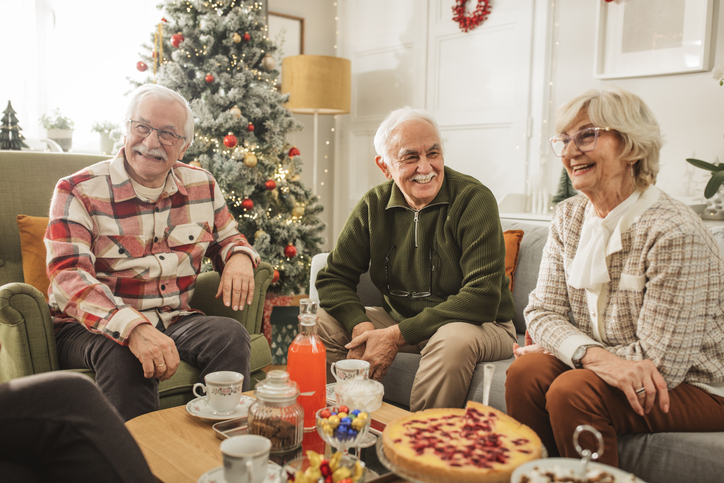
The holiday season is a time of tradition, connection, and shared moments, and those experiences remain just as meaningful in assisted living communities. For many seniors, celebrating the holidays in assisted living offers a chance to stay socially connected, maintain cherished traditions, and enjoy the season in a supportive and welcoming environment. From festive gatherings to shared meals and seasonal activities, holiday celebrations can bring comfort, joy, and a strong sense of belonging during the winter months.
The Importance of Social Connection
Celebrating the holidays with others provides more than just emotional comfort. It also plays a role in maintaining overall well-being. According to Harvard Health Publishing, broader social interactions help keep older adults more active and less sedentary. Group meals, gift exchanges, music, and games all provide opportunities for movement, laughter, and connection, essential ingredients for a happy and healthy season.
At McPeaks, creating opportunities for residents to engage with one another is a year-round priority, but the holidays provide an extra layer of celebration that makes these connections even more meaningful.
Combating Seasonal Mood Changes
Shorter days and colder weather can sometimes lead to a dip in mood for older adults, especially those who may be prone to Seasonal Affective Disorder (SAD). The National Institute of Mental Health notes that symptoms can include low energy, withdrawal from social activities, and feelings of sadness. At McPeaks, we aim to counter these effects with light-filled spaces, cheerful décor, and plenty of planned activities to keep the season bright and engaging.
We understand that emotional wellness is just as important as physical health, especially during the colder, darker months. Holiday programming offers uplifting ways to stay connected and avoid feelings of loneliness.
Creating Meaningful Holiday Moments at McPeaks
Residents at McPeaks Assisted Living enjoy a variety of holiday-themed experiences that promote community and joy. These traditions include:
- Decorated common spaces that bring festive cheer
- Seasonal crafts, card-making, and cookie decorating
- Holiday meals featuring traditional favorites
- Group games, music sessions, and story sharing
- Intergenerational visits and family-friendly events
Whether it’s helping to hang ornaments, listening to favorite holiday tunes, or sharing a holiday memory with friends, each activity is designed to make residents feel celebrated and at home.
Why Celebrations Matter
For seniors, holiday traditions offer structure, comfort, and a sense of belonging. These experiences help combat loneliness, provide mental stimulation, and reinforce positive feelings during a time of year that can otherwise feel difficult for some. At McPeaks, we see these moments as an essential part of holistic care, celebrating not just the season, but the people in it.
Looking for an assisted living community where your loved one will feel the joy of every season? Contact McPeaks Assisted Living or call 631-475-0445 to learn more about how we make the holidays, and every day, meaningful and bright.
Bridging the Digital Divide: Building Digital Literacy for Seniors
In today’s connected world, digital literacy for seniors isn’t just about knowing how to use a smartphone or computer; it’s about opening doors to independence, connection, and confidence. For older adults, mastering digital tools enhances communication, provides easy access to information, and encourages mental and emotional engagement. At McPeaks Assisted Living, we understand how important these skills are in helping residents feel connected and empowered in their daily lives.
The Importance of Staying Connected
Learning how to send emails, use video calls, or navigate the internet can drastically improve the quality of life for seniors. Digital literacy helps reduce isolation by allowing seniors to stay in touch with family and friends. It also fosters a sense of purpose and encourages learning something new, which benefits cognitive function.
Programs like Cyber-Seniors offer personalized guidance for older adults who want to gain confidence with technology. Whether you’re helping a loved one sign up for online courses or introducing them to streaming services, even small steps make a difference.
Health and Wellness Through Technology
The benefits of digital literacy extend beyond social connection. Being comfortable with technology helps seniors:
- Access telehealth services
- Manage prescriptions and appointments
- Monitor vital signs with digital health tools
- Read about nutrition, exercise, and medical conditions
- Participate in online support communities
According to the National Institutes of Health, seniors who engage with digital platforms are more likely to take control of their health and wellness. From online fitness videos to brain training games, the digital world offers numerous tools that encourage healthy habits and mental sharpness.
How McPeaks Encourages Digital Growth
At McPeaks, we believe that digital inclusion is part of well-rounded senior care. Our team offers patient guidance and support to help residents learn and explore new technology at their own pace. Whether they want to video chat with grandchildren, follow a favorite YouTube series, or read the latest news online, we provide a welcoming environment for learning.
Technology is also integrated into our daily routines to enhance comfort, safety, and independence—ensuring residents feel supported without sacrificing autonomy.
Ready to Embrace Digital Confidence?
If you or a loved one is searching for a community that values growth, connection, and independence, McPeaks Assisted Living is here to help. We believe digital literacy is a key part of aging well, and we’re proud to offer an environment that fosters learning at every age.
Reach out today or call (631) 475-0445 to learn how we support senior residents on their journey toward empowered, connected living.
Confident Smile: Denture Care Tips Every Senior Should Know
Daily denture care for seniors plays an important role in maintaining comfort, confidence, and overall oral health. As we age, proper denture hygiene helps prevent irritation, infection, and discomfort while supporting clear speech and enjoyable mealtimes. With the right routine and gentle support, seniors can keep their dentures clean, well-fitting, and comfortable as part of everyday self-care.
Daily Cleaning Keeps Your Smile Healthy
Just like natural teeth, dentures need to be cleaned every day. Daily denture care for seniors helps remove food, plaque, and bacteria, reducing the risk of irritation or infection. According to the Mayo Clinic, brushing dentures helps remove food, plaque, and bacteria, reducing the risk of irritation or infection. Use a soft-bristled brush with a non-abrasive denture cleanser—never regular toothpaste, which can be too harsh on the material.
In addition to brushing, dentures should be rinsed after every meal and soaked overnight in water or a cleaning solution to prevent drying out or losing their shape. Regular cleaning also helps prevent stains and keeps your smile bright.
Be Gentle, But Thorough
Dentures are strong but not indestructible. Dropping them on a hard surface can cause cracks or warping. One smart tip from the NYC Department of Health is to clean your dentures over a soft towel or basin of water, just in case they slip. Avoid using boiling water or bleach, as these can permanently damage the fit and feel.
Keep Your Gums and Mouth Clean Too
Even if you wear full dentures, caring for your gums is essential. Gently brush your tongue, cheeks, and roof of your mouth with a soft brush or gauze to remove bacteria and stimulate circulation. Don’t forget to schedule regular dental checkups to ensure your dentures still fit comfortably and your oral health remains in good shape. Proper mouth care not only prevents infections but also enhances comfort and confidence.
How McPeaks Helps Seniors with Denture Care
At McPeaks, we offer compassionate, personalized support for seniors who need help with daily routines, including denture hygiene. Our caregivers assist with cleaning, soaking, and proper storage, so residents always feel fresh and comfortable. It’s just one more way we support both health and happiness for our community.
Looking for an assisted living home that supports the little things that matter? Contact McPeaks today to learn more about how we can help you or your loved one live comfortably, with the support you need and the dignity you deserve.
Senior Travel Safety Tips: Enjoying Adventures with Peace of Mind
Exploring new destinations can be a source of joy, connection, and personal growth—especially for older adults. With the right senior travel safety tips, it’s possible to enjoy these experiences while staying protected, healthy, and prepared. From packing light to staying hydrated, here’s how seniors can confidently embrace their next journey.
Prioritize Health and Hydration
Before any trip, a quick check-up can go a long way. Talk to your doctor about any medications, vaccinations, or travel-related health concerns. One of the most overlooked senior travel safety tips is hydration.
Staying hydrated helps regulate body temperature and energy levels, especially during long travel days. The National Council on Aging provides simple tips for maintaining hydration. It’s also smart to bring a reusable water bottle to ensure you’re drinking consistently while on the move.
Pack with Purpose
Light packing is key. Seniors should focus on comfortable clothing, necessary medications in original containers, and a basic first-aid kit. Keep essentials easily accessible to reduce strain. According to Senior Lifestyle, one of the best senior travel safety tips is to avoid overpacking, which can lead to fatigue and mobility issues. A rolling suitcase or small backpack with wheels can help make travel more manageable and less physically taxing.
Dress for Comfort and Confidence
Wearing breathable, flexible activewear is a simple way to support safe movement throughout the day. Senior Lifestyle recommends clothing that supports ease of motion, especially for long walks or unpredictable weather. This enhances comfort and reduces the risk of trips or falls. Shoes with arch support and slip resistance are also key to safe travel.
Plan for Accessibility
Choose senior-friendly travel accommodations with minimal stairs, elevators, and accessible walkways. Look for destinations with senior discounts or guided tours tailored for older adults. Being proactive helps avoid stress and ensures each stop is enjoyable and manageable. Calling ahead to confirm accommodations can prevent unnecessary challenges on arrival.
Listen to Your Body
Perhaps the most important of all senior travel safety tips is listening to your body. Don’t overexert. Build in rest days or shorter outings to stay energized and alert throughout your trip. Be flexible with plans and prioritize well-being over packing in too much. Even taking 10-minute breaks during sightseeing can help reduce fatigue and make your trip more enjoyable.
Travel and Thrive with McPeaks
At McPeaks Assisted Living, we support a lifestyle full of adventure—whether that’s a trip down the block or across the country. Our team encourages residents to stay active, engaged, and prepared for life’s next chapter.
Looking to enjoy your retirement years with more ease, independence, and support? Contact McPeaks today to learn how we help seniors stay active, safe, and ready for whatever’s next.
How Caregivers Can Help Seniors with Hygiene
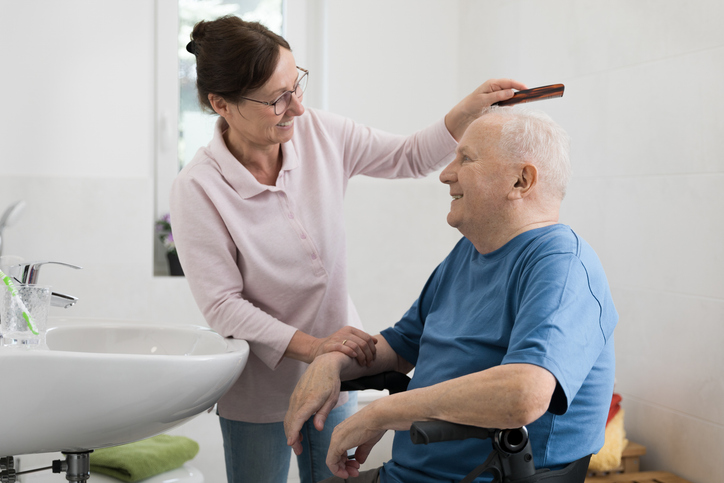
Maintaining good personal hygiene is essential for seniors—not just for physical health, but also for confidence and emotional well-being. As we age, tasks like bathing, brushing teeth, or getting dressed can become more difficult due to health conditions or mobility challenges. That’s where senior hygiene support in assisted living becomes so important.
Whether at home or in a retirement community, older adults benefit from compassionate care that respects their independence while providing the help they need. From creating a safe environment to offering personalized routines, the right approach makes daily hygiene more comfortable, empowering, and uplifting.
Understanding Barriers to Hygiene
Many seniors face physical or cognitive limitations that make hygiene tasks more challenging. Pain, reduced flexibility, or fear of falling can make showers or getting dressed stressful. Adjustments in the home can make a big difference—check out these home adaptation tips from the Arthritis Foundation for ideas on how to create a safer bathroom environment.
Simple additions like non-slip mats, motion-sensor nightlights, or handrails near the sink can transform a space into one that feels safe and accessible.
Gentle Routines and Helpful Products
Creating a consistent routine helps build comfort and trust. Caregivers can introduce small comforts to make hygiene routines easier, such as:
- Using a favorite scented soap or lotion
- Offering a warm towel before a sponge bath
- Playing calming music during personal care time
You can also explore specialized hygiene tools. TENA’s caregiver resource recommends products designed for sensitive skin and mobility-friendly routines that empower seniors to participate in their own care as much as possible.
Encouraging Confidence and Independence
Maintaining independence is key to self-esteem. Caregivers should promote participation by asking seniors which parts of the hygiene process they’d like to manage on their own. Helpful tools include:
- Long-handled brushes
- Easy-grip toothbrushes
- Shower chairs or handrails
When seniors feel capable in their personal care routines, it contributes to a more positive daily experience and encourages greater engagement in other aspects of life, like socializing or recreation.
Why Hygiene Support Matters in Assisted Living
At McPeaks Assisted Living, we understand that hygiene care is deeply personal. Our team offers compassionate, individualized assistance that ensures residents feel clean, comfortable, and respected—without sacrificing independence. Senior hygiene support in assisted living is about more than routine care—it’s about helping each resident maintain dignity and feel their best each day. Hygiene is just one part of the high-quality support we offer in a warm, welcoming environment.
Want to learn more about how McPeaks supports the full well-being of our residents? Get in touch with us today or call 631‑475‑0445 to speak with someone who can walk you through our services.
Planning Ahead: Retirement and Estate Planning for Seniors
Planning for retirement is about more than finances — it’s about creating a secure, supported lifestyle that carries you or your loved one through the years ahead. Retirement and estate planning for seniors is essential to safeguarding assets, ensuring healthcare wishes are honored, and making informed decisions about long-term living options like assisted living. It’s also an opportunity to foster open dialogue within families and reduce future stress.
The Importance of Long-Term Care in Retirement Planning
One often overlooked but vital aspect of retirement planning is long-term care. According to The American College, developing a strategy to account for potential assisted living or nursing care expenses is crucial to preserving your savings and independence. It’s never too early to think about how future care needs might affect your retirement plans.
A recent article from The New York Times also highlights how long-term care costs are becoming a major challenge for many older Americans, urging families to prioritize this in their estate and financial discussions. Beyond finances, early planning can also provide peace of mind and ensure personal wishes are carried out with dignity.
What Estate Planning Should Include
Estate planning gives seniors the chance to put their wishes in writing, reduce family stress, and ensure a smooth transition of assets. This usually includes:
-
-
- A will that clearly outlines how assets will be distributed
- A durable power of attorney for finances
- A healthcare proxy or advance directive for medical decisions
- Updated beneficiary designations and, when needed, trusts to help manage or protect assets
-
These elements offer peace of mind for seniors and their families, especially when paired with conversations about future housing and care needs. Reviewing plans regularly is also key, especially after major life changes like illness, relocation, or the loss of a spouse.
How McPeaks Can Support Your Plan
At McPeaks Assisted Living, we recognize how important it is to incorporate assisted living into broader retirement planning. Seniors who proactively plan for care enjoy smoother transitions, reduced stress, and greater control over their living arrangements. Our compassionate approach to senior care offers comfort and community in a setting that feels like home.
Whether you’re planning for yourself or helping a parent, considering communities like McPeaks during the estate and retirement planning process can ensure long-term stability and comfort.
Start the Conversation Today
To learn more about how McPeaks Assisted Living can fit into your long-term planning, contact us here or call 631‑475‑0445. It’s never too early to take that first step toward peace of mind.
Celebrating Fall Traditions for Seniors: A Season of Comfort and Connection
Autumn brings with it a sense of warmth, comfort, and nostalgia — making it the perfect time to celebrate fall traditions for seniors. From festive meals to crafting seasonal decorations, these cherished rituals are a meaningful way for older adults to embrace the season and feel connected to both their past and present.
The Sights and Smells of the Season
Few things spark autumn memories like the aroma of cinnamon, fresh apples, or a warm cup of cider. Even simple seasonal treats can brighten the day and create a shared experience with others. Visiting a farmers market or enjoying a slice of pumpkin pie helps make the most of fall’s familiar comforts. Activities like apple picking are a reminder of how deeply seasonal foods are tied to tradition.
Crafting and Decorating Together
Creating autumn-inspired decorations like leaf garlands, wreaths, or mini pumpkins can boost creativity and joy. At McPeaks, seasonal arts and crafts are a favorite among residents. These activities offer a fun, hands-on way to celebrate the season and bring the colors of fall indoors.
Gathering for Fall Holidays
Fall holidays like Halloween and Thanksgiving are full of tradition and connection. Celebrating with themed meals, music, and games makes these days extra special. According to AgingCare, maintaining familiar holiday routines can help seniors feel more grounded and emotionally supported.
Enjoying Nature’s Beauty
Even brief walks outdoors or time spent in the garden offer a chance to enjoy the crisp air and colorful leaves. The gardens at McPeaks Assisted Living provide a peaceful backdrop to relax and take in the season’s natural beauty.
Keeping Traditions Alive at McPeaks
At McPeaks Assisted Living, we embrace the spirit of the season with activities and celebrations that help residents stay engaged and connected.
To learn more about life at McPeaks and how we support every season of your loved one’s journey, contact us here or call 631-475-0445.
Recognizing the Signs: Understanding Dementia and Alzheimer’s
Caring for aging loved ones isn’t just about meeting their physical needs—it’s also about understanding the signs of dementia and noticing the small changes that may signal something more serious. At McPeak’s Assisted Living, we’re here to support families with knowledge, compassion, and care as seniors navigate the challenges of aging. One of the most important ways we do that is by helping families recognize the early signs of cognitive decline, including dementia and Alzheimer’s disease.
When Forgetfulness Becomes More Than a Sign of Dementia
It’s normal to misplace your glasses now and then or forget a name momentarily—but when memory loss begins to interfere with daily life, it could be a sign of something more. According to the National Institute on Aging, seniors experiencing early dementia may forget recently learned information, repeat questions, or struggle to keep up with appointments and daily routines. These lapses often grow more frequent over time and may be accompanied by confusion about time, place, or how they got somewhere.
Changes in Thinking and Communication
Dementia can make everyday tasks like following a recipe or paying bills more difficult. Some individuals may also find it hard to concentrate or solve simple problems. You might notice that your loved one has trouble following conversations, forgets common words, or repeats themselves often. These changes in communication can lead to frustration or withdrawal from social activities they once enjoyed. By understanding the signs of dementia, families can better recognize when these changes go beyond normal aging and may require additional support.
Disorientation and Trouble Navigating
As dementia progresses, seniors may become disoriented even in familiar places. Getting lost on a walk, forgetting how to get home, or not recognizing surroundings that were once second nature can all be signs of cognitive decline. Visual perception may also be affected, leading to difficulty reading, judging distances, or recognizing objects and faces—sometimes even causing issues with balance and mobility.
Mood, Behavior, and Judgment Shifts in Dementia
Sometimes the first signs of dementia appear as changes in behavior rather than memory. Seniors might become unusually anxious, irritable, suspicious, or withdrawn. They may lose interest in favorite hobbies or neglect personal hygiene and grooming. In some cases, poor decision-making—like giving money away to strangers or ignoring safety concerns—may become more frequent. These behavioral shifts can be confusing and distressing for families, but recognizing them is an important first step in getting help.
How McPeak’s Assisted Living Can Help
At McPeak’s Assisted Living, we’re more than a care provider—we’re a partner for families navigating cognitive decline with their loved ones. Our trained and compassionate staff members understand the unique challenges that come with dementia and Alzheimer’s, and we work closely with families to create supportive, personalized care plans in a safe and engaging environment.
Whether your loved one is beginning to show signs of memory loss or has already been diagnosed, we’re here to help make every day more manageable, meaningful, and connected.
Learn More About Memory Support at McPeak’s
If you’re noticing changes in a loved one and aren’t sure where to turn, McPeak’s is here to help. Our caring team is always available to answer your questions, offer support, and provide expert guidance every step of the way.
To speak with a team member or schedule a visit, contact us today at (631) 475-0445 or visit our website to learn more about how we help seniors and their families feel understood, supported, and cared for.
Fall Prevention and Safety Tips for Seniors
Falls are one of the most common and serious health risks facing older adults. But with some simple fall prevention tips for seniors and greater awareness, many falls can be prevented—helping seniors maintain independence, confidence, and quality of life. At McPeak’s Assisted Living, safety is a top priority, and we’re committed to empowering seniors and their families with practical steps to reduce fall risk every day.
Understanding Why Falls Happen
According to the National Institute on Aging, changes in strength, balance, vision, and reflexes can increase the risk of falling. Certain medications or health conditions can also affect stability. Common causes include slippery floors, icy roads, uneven surfaces, poor lighting, and clutter in the home. Recognizing these risks early on is key to preventing falls before they happen.
Creating a Safe Living Environment
One of the best ways to reduce fall risk is by making the home environment safer. Removing loose rugs, securing electrical cords out of walkways, and ensuring stairs have sturdy handrails can make a big difference. Good lighting throughout each room, especially in hallways and bathrooms, helps seniors see hazards clearly. Installing grab bars in the bathroom and using non-slip mats also adds an important layer of protection.
Staying Active and Building Strength
Regular physical activity helps improve muscle strength, flexibility, and balance—essential components to preventing falls. Simple exercises like walking, stretching, or balance-focused activities such as tai chi can enhance stability. At McPeak’s Assisted Living, we encourage residents to stay active through tailored programs that promote strength and confidence. Families looking for effective fall prevention tips for seniors often find that consistent exercise is one of the most impactful ways to stay safe and reduce risk.
Reviewing Medications and Vision
Certain medications may cause dizziness or affect coordination. It’s important for seniors and caregivers to regularly review medications with healthcare providers. Equally, regular vision check-ups ensure that glasses prescriptions are up to date and that vision problems don’t increase fall risk.
Smart Habits Make a Difference
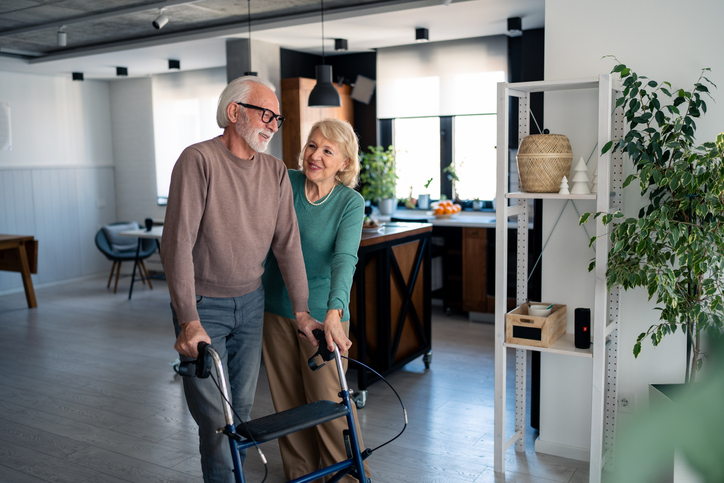
Wearing well-fitted, non-slip shoes and avoiding walking on slippery or uneven surfaces whenever possible can prevent many falls. Taking time to get up slowly from sitting or lying positions helps prevent dizziness. Using assistive devices like canes or walkers when recommended by a doctor provides extra support and peace of mind.
Learn More About Fall Prevention at McPeak’s
At McPeak’s Assisted Living, safety is woven into everything we do. From environment modifications and personalized care plans, we create a secure and supportive setting where seniors can thrive. Our dedicated staff is trained to assist residents safely while encouraging independence and confidence.
If you or a loved one are interested in learning more about fall prevention strategies or our supportive community, please contact us at (631) 475-0445. We’re happy to answer your questions and help guide you toward a safer lifestyle.
Top 10 Creative Hobby Ideas for Seniors to Enjoy
Living isn’t just about daily care—it’s about creating moments of joy, connection, and purpose. For seniors, staying engaged in creative hobbies for seniors can uplift mood, inspire creativity, and strengthen bonds with friends and neighbors. At McPeak’s Assisted Living, we encourage our community members to fill each day with meaning, connection, and fun by providing activities that bring smiles and foster a sense of belonging.
The Power of Staying Engaged
As we age, it’s essential to keep our minds and spirits active. Research shows that engaging consistently in daily activities and interactions can also play a crucial role in protecting brain health over time. According to the National Institute on Aging, participating in meaningful activities and hobbies can improve wellbeing, reduce stress, and help maintain cognitive function. Whether it’s learning something new or revisiting a lifelong passion, hobbies enrich life at every stage.
At McPeak’s Assisted Living, we make it easy for residents to pursue hobbies they love. Here are 10 creative hobbies for seniors that bring joy, belonging, and connection:
- Painting and Drawing: Art is a powerful form of expression. Whether residents prefer watercolor, acrylics, or sketching, painting and drawing help them express feelings, improve focus, and create beautiful works to display or share.
- Gardening: Tending to flowers, herbs, or small indoor plants offers a sense of purpose, relaxation, and connection to nature. Gardening is a hobby that soothes the mind and brings fresh beauty into daily life.
- Reading: Reading books, newspapers, or magazines is a lifelong hobby that keeps the mind active, reduces stress, and sparks interesting conversations with fellow residents.
- Knitting and Crocheting: Creating scarves, blankets, or decorative pieces through knitting and crocheting is both soothing and productive. It also allows residents to make gifts for loved ones or donations to local charities.
- Puzzles and Brain Games: Completing puzzles, crosswords, and Sudoku challenges the mind, improves memory, and provides a sense of achievement with every puzzle solved.
- Writing and Journaling: Writing stories, poems, or daily reflections allows residents to share their life experiences, explore creativity, and preserve memories for family and friends.
- Playing Music or Singing: Whether playing an instrument or singing along to favorite songs, music is a hobby that uplifts the spirit, enhances mood, and brings people together.
- Cooking and Baking: Experimenting with simple recipes, decorating cookies, or learning new cooking techniques adds fun to daily routines while creating delicious treats to enjoy or share.
- Photography: Taking photos of nature, friends, or daily life is a hobby that encourages residents to notice beauty in their surroundings and create visual memories to cherish.
- Crafting: From making greeting cards and seasonal decorations to jewelry-making, crafting hobbies engage creativity and fine motor skills while producing meaningful handmade items.
Living with Purpose at McPeak’s Assisted Living
At McPeak’s Assisted Living, we believe every resident should have the opportunity to explore creative hobbies for seniors that keep them inspired and connected. Our supportive team helps residents discover new interests and continue lifelong passions in a welcoming, engaging environment.
If you or your loved one is looking for a caring community that encourages hobbies, creativity, and joyful living, contact us today by calling (631) 475-0445 to learn more about how McPeak’s makes every day meaningful and bright.
Eat to Stay Sharp: Top 10 Best Foods for Better Brain Health
Eating well isn’t just about satisfying daily meal needs—it’s also about keeping the mind strong and sharp. For seniors, choosing the best brain foods for seniors can make a real difference in memory, focus, and overall cognitive health. At McPeak’s Assisted Living, we see every meal as a chance to nourish both body and mind. From breakfast to dinner, simple food choices can support clearer thinking and healthier aging.
The Power of Nutrition
As we age, it’s natural to experience changes in memory and cognitive function. However, research shows that what we eat can play a key role in protecting brain health over time. According to the National Institutes of Health, a balanced diet rich in certain nutrients can help support cognitive function and may reduce the risk of age-related decline. Some of these nutrients include antioxidants, B vitamins, Choline, Omega-3 fatty acids, and vitamin E – all of which work together to keep your brain strong and ready for each new day.
At McPeak’s Assisted Living, we make it simple to include these brain-boosting nutrients in everyday meals. Below are the top 10 best foods for seniors that can help nourish your mind, support clearer thinking, and promote healthier aging:
- Berries (Blueberries, Strawberries, Raspberries): Berries are packed with high levels of antioxidants, vitamins, and fiber, which help fight inflammation, boost the immune system, and neutralize free radicals, helping prevent cell damage that contributes to aging and disease.
- Leafy Greens (Spinach, Kale, Cabbage): Greens are rich in vitamins A, C, and K, folate, fiber, and antioxidants that support bone health, immunity, digestion, and cognitive function. Their anti-inflammatory properties also protect against chronic diseases.
- Eggs: Eggs are an excellent source of choline, a nutrient that supports memory and cognitive function. They also provide excellent protein and healthy fats essential for overall brain health.
- Fish: Fatty fish are rich in omega-3s, protein, and vitamin D, which support brain function, reduce inflammation, and support bone health.
- Whole Grains: Whole grains are high in fiber, supporting healthy digestion and steady blood sugar levels. They also provide lasting energy and essential nutrients such as B vitamins, iron, magnesium, and selenium that benefit heart and brain health.
- Nuts/Seeds: Nuts and seeds contain healthy fats, vitamin E, and antioxidants that protect brain cells and support cognitive performance, while also promoting heart health.
- Beans: Beans are packed with plant-based protein, fiber, and B vitamins that support energy production and keep the brain alert throughout the day.
- Avocados: Avocados are rich in monounsaturated fats, which support healthy blood flow to the brain. They also provide fiber, potassium, and antioxidants for overall wellness.
- Greek Yogurt: Greek yogurt is a great source of protein and probiotics that support gut health, which research links to improved mood and cognitive function.
- Dark Chocolate: Dark chocolate contains flavonoids and antioxidants that enhance memory, improve mood, and protect the brain from oxidative stress when consumed in moderation.
Supporting Brain Health at McPeak’s Assisted Living
At McPeak’s Assisted Living, we understand that the best brain foods for seniors are essential to healthier aging. That’s why we incorporate nutrient-rich meals into our daily menus, giving residents the nutrition they need to stay sharp, energized, and engaged in the activities they love.
If you or your loved one is looking for a caring community that prioritizes both body and mind wellness, contact us by calling (631) 475-0445 to learn more about how we help our residents feel nourished, connected, and cared for every day of the year.
7 Energizing Outdoor Fitness Activities for Seniors
Staying active doesn’t have to mean hitting the gym. For older adults, outdoor fitness for seniors offers a refreshing way to improve mobility, boost mood, and soak up some sunshine—all while reaping long-term health benefits. The Centers for Disease Control and Prevention (CDC) recommends at least 150 minutes of moderate activity per week for older adults, which can help improve balance, heart health, and mental clarity. Here are seven fun outdoor fitness ideas to help you get moving.
-
Brisk Walks in Nature
Walking is simple, free, and low-impact. Whether it’s a stroll through the neighborhood or a trail walk at a nearby park, walking improves cardiovascular health and helps maintain joint flexibility.
-
Chair Yoga or Stretching in the Shade
Bring a sturdy chair outdoors and enjoy a gentle stretching or yoga session. These low-impact moves help improve flexibility and posture while reducing the risk of falls.
-
Gardening as a Workout
Tending to plants, pulling weeds, and watering flowers may not seem like exercise, but gardening works your muscles and encourages movement in a relaxing environment.
-
Water Aerobics or Swimming
If you have access to a pool, water-based exercise is great for reducing joint stress while increasing strength and endurance. Many community centers offer senior-friendly swim programs during warmer months.
-
Tai Chi
Often described as “meditation in motion,” Tai Chi combines slow, flowing movements with deep breathing. Practicing it outdoors adds an extra layer of peace and focus, and studies from the National Institutes of Health show it can improve balance and reduce the risk of falls in seniors.
-
Outdoor Group Fitness Classes
Many towns offer free or low-cost outdoor fitness classes, like low-impact aerobics or stretching groups tailored to seniors. They’re a great way to stay active and meet new friends.
-
Nature-Based Scavenger Hunts
Invite a friend or grandchild and turn a nature walk into a fun scavenger hunt. It keeps your brain sharp while adding purpose to your movement.
Get Outdoors and Feel Great
Incorporating outdoor fitness for seniors into a weekly routine supports both physical and emotional well-being. Sunshine, movement, and a change of scenery can make a big difference in helping older adults feel energized, balanced, and connected.
Want to learn more about how to maintain an active lifestyle at any age? Schedule a visit to McPeak’s today and discover a community that supports wellness every step of the way.
Understanding Diabetes Risk Factors in Seniors
As we age, our risk of developing chronic health conditions increases, and diabetes is one of the most common concerns for older adults. Focusing on diabetes prevention for seniors is key to staying proactive about long-term health and building habits that support a healthier future.
Why Seniors Are More at Risk
Age is a natural risk factor for type 2 diabetes. The body becomes more resistant to insulin over time, and older adults may also experience less physical activity and slower metabolism. According to the National Institute on Aging, diabetes can lead to serious complications in seniors, including heart disease, vision loss, and kidney problems.
Lifestyle and Weight Management
Carrying extra weight is one of the strongest predictors of developing type 2 diabetes. The American Diabetes Association explains that excess fat, particularly around the abdomen, can increase insulin resistance. Making small lifestyle adjustments—such as walking more, reducing processed sugar, and eating balanced meals—can go a long way in prevention.
Regular physical activity doesn’t have to be intense to be effective. Even gentle exercises like daily stretching, gardening, or group walks can help regulate blood sugar levels and improve overall well-being. The key is consistency and finding ways to stay moving each day.
Family History and Genetics
Having a parent or sibling with type 2 diabetes also raises your risk. While you can’t change your genes, being aware of your family history can help you take action early through regular screenings and healthier daily choices.
How Supportive Living Helps
For those living in a supportive community like McPeaks Assisted Living, healthy living is made easier. Nutritious meals, opportunities for movement, and medical monitoring all contribute to better health outcomes for seniors, especially those managing chronic conditions like diabetes.
Stay Ahead of the Risks
Understanding what puts seniors at greater risk for diabetes is the first step toward prevention. By prioritizing diabetes prevention for seniors through consistent activity, balanced nutrition, and regular screenings, older adults can take meaningful steps toward better health and independence.
If you or a loved one is considering a more supportive lifestyle, contact McPeaks or call (631) 475-0445 to learn how we help residents thrive while prioritizing their health.
Sleep and Senior Wellness: Why Restful Nights Matter More Than Ever
Getting a full night of restful sleep is essential for overall wellness, especially in older adults. As we age, our sleep patterns naturally shift, often resulting in lighter sleep, more frequent awakenings, or earlier wake times. Learning practical sleep tips for seniors can make a big difference in maintaining energy, mood, and long-term health.
Why Sleep Matters for Older Adults
The National Institute on Aging notes that older adults still need seven to nine hours of sleep each night, even though many experience more difficulty achieving it. Poor sleep has been linked to increased risks of memory issues, mood changes, falls, and weakened immune function. Chronic sleep deprivation may also impact heart health and contribute to depression or anxiety.
Simple Habits Can Make a Big Difference
Improving sleep doesn’t always require drastic changes. The National Council on Aging recommends practical sleep tips for seniors, like going to bed and waking up at the same time each day, limiting caffeine intake in the afternoon, and establishing a relaxing bedtime routine. Even light exercise during the day and exposure to natural light can help reset the body’s internal clock.
How Assisted Living Supports Better Sleep
At McPeaks Assisted Living, we know that sleep quality is a key part of maintaining health and happiness. That’s why our environment is designed to promote comfort, routine, and relaxation. Residents benefit from consistent schedules, calm surroundings, and caring staff who can help adjust evening routines and address any sleep-related concerns.
Our approach to personalized care includes creating a peaceful atmosphere and minimizing nighttime disruptions. Whether it’s adjusting room lighting, offering quiet evening activities, or ensuring residents feel safe and supported, every detail plays a role in fostering better rest.
Sleep Well, Live Well
Good sleep doesn’t just help seniors feel more alert. It supports stronger immunity, emotional well-being, and cognitive clarity. In a setting like McPeaks, the right care and surroundings can make all the difference in helping residents sleep more soundly and live more fully.
To learn more about how McPeaks Assisted Living supports senior health and comfort, call us at (631) 475-0445 or visit our website today.
6 Helpful Tips for Downsizing Before Moving to Assisted Living
Making the move to assisted living is a big step, and downsizing is usually one of the first things to tackle. Going through decades of memories, furniture, and keepsakes can feel overwhelming, but it can also be a positive and even freeing experience with the right approach.
Here are six helpful tips to make downsizing a little easier and a lot more manageable.
- Start Early and Go One Room at a Time
The earlier you begin sorting, the less rushed you’ll feel. Working room by room allows you to make more thoughtful decisions and reduce the chance of burnout. If you need a little inspiration, check out “How to Declutter Your Home” from Good Housekeeping for simple organizing tips. - Create Keep, Donate, and Discard Piles
As you go through your things, divide items into three categories: what stays with you, what can be donated, and what’s no longer needed. This approach helps keep the process organized and less stressful. - Use Your New Floor Plan as a Guide
Knowing how much space you’ll have can help you make realistic choices. A good next step? Schedule a visit to McPeaks Assisted Living to get a feel for the rooms and common areas so you can plan accordingly. - Keep What Matters Most
You don’t have to bring everything. Focus on items that bring comfort or hold strong sentimental value. A few framed photos or a favorite piece of décor can help make your new space feel like home. - Digitize What You Can
Old letters, important papers, and family photos can all be scanned and saved digitally. It’s a great way to preserve memories while saving space. - Give Items a Second Life Through Donation
Letting go is easier when you know your things will help others. Many organizations will even pick up donations for free. The blog “Charities That Offer Free Donation Pickup” from Moving.com is a great place to start.
If you’re preparing for a move to assisted living, remember that downsizing doesn’t have to feel like saying goodbye. It can be the start of something new.
Want to learn more about making the move? Take a look at what to expect in our McPeaks brochure or give us a call at (631) 475-0445.
Stress Awareness Month: Simple Ways Seniors Can Relax and Recharge
April marks Stress Awareness Month, a time to reflect on emotional well-being and explore calming habits that support a more peaceful lifestyle. For older adults, finding effective stress relief for seniors can have a meaningful impact on overall health. It can help improve sleep, mood, and even physical wellness.
Breathing and Mindfulness for Daily Calm
Deep breathing and mindfulness are effective ways to relax both the body and mind. Even just a few minutes of focused breathing each day can help reduce feelings of anxiety and create a sense of calm. Many seniors find comfort in simple meditation or guided breathing exercises that bring clarity and focus to their routine.
The Soothing Power of Music
Music can be incredibly therapeutic. Soft melodies or familiar songs can help reduce tension and lift the spirit. Whether listening to favorite tunes or joining a music-focused activity, music is a powerful tool for stress relief for seniors. Incorporating music into the day can bring joy, spark memories, and help create moments of peace.
The Importance of Quiet Routines
Having a predictable and peaceful daily routine can ease feelings of stress and provide structure. Gentle activities like enjoying a cup of tea, reading, or sitting in a quiet spot can encourage relaxation. At McPeaks Assisted Living, we understand the value of quiet moments and offer a supportive setting where residents can unwind in their own way.
Prioritizing Peace of Mind
Taking small steps to manage stress can make each day feel more balanced. Whether through breathing exercises, music, or quiet time, there are many ways seniors can care for their emotional well-being.
If you or a loved one is looking for a community that prioritizes peace of mind and emotional support, call McPeaks Assisted Living at (631) 475-0445 to learn how we help residents feel relaxed, connected, and cared for every day of the year.
A Fresh Start: Why Spring Is a Great Time to Consider Assisted Living
Spring is a season of renewal. As flowers bloom and the days grow longer, it inspires many of us to refresh our surroundings and routines. For seniors and their families, this makes spring an ideal time to consider the benefits of assisted living. Transitioning during this season can bring a renewed sense of comfort, support, and community.
Spring Is the Right Time for Change
After the challenges of winter, daily tasks like cooking, cleaning, and home maintenance can feel like a burden. Moving into an assisted living facility can lift that weight and provide access to helpful services while maintaining a sense of independence. According to the National Council on Aging, assisted living communities are designed to meet residents’ daily needs with dignity and personalized care.
Enjoy the Outdoors and Boost Well-Being
Spring also brings the opportunity to enjoy fresh air and sunshine, which are proven to boost both mood and mobility. Seniors who spend time outside benefit from increased vitamin D, improved mental clarity, and reduced feelings of isolation. Harvard Health notes that outdoor time supports physical and emotional health—benefits that are built into life at many assisted living communities.
Community and Connection at McPeaks Assisted Living
At McPeaks Assisted Living, spring is a time of connection and renewed energy. Our residents enjoy outdoor seating areas, seasonal gatherings, and the peace of mind that comes with knowing compassionate care is always nearby. The transition to assisted living doesn’t mean giving up independence—it means gaining support, safety, and a vibrant community.
Make This Spring a Fresh Start
Choosing assisted living is a positive step forward, especially during a season built on growth and renewal. If you’ve been thinking about making a change, now is the perfect time to take that next step. Call McPeaks Assisted Living at (631) 475-0445 to learn how we can help you or your loved one thrive this spring and beyond.
How Assisted Living Supports Seniors’ Independence
Many people believe that moving to an assisted living community means giving up independence, but the reality is quite the opposite. Assisted living is designed to provide just the right amount of support while allowing seniors to maintain their freedom, make their own choices, and continue living life on their terms.
A Safe and Supportive Environment
One of the biggest concerns for seniors aging at home is safety. Assisted living communities offer a secure setting where residents can confidently go about their daily routines without worrying about household hazards or medical emergencies. According to the National Institute on Aging, falls are one of the leading causes of injuries among older adults, but assisted living facilities help reduce these risks by providing a well-designed, accessible environment and support when needed.
Freedom with Personalized Assistance
Independence doesn’t mean doing everything alone. Assisted living allows seniors to receive help with daily activities like medication management, housekeeping, and transportation while still maintaining control over their daily schedules. At McPeaks Assisted Living, residents have the freedom to choose how they spend their time, whether that’s socializing, enjoying a hobby, or relaxing in a comfortable setting.
Social Engagement and Well-Being
Staying active and engaged is key to preserving independence. Assisted living communities provide opportunities for social interaction and enrichment, helping residents maintain a strong sense of purpose. Research from the National Institute on Aging shows that staying socially connected can improve cognitive function and overall health, making community living a great choice for seniors who want to maintain their independence while enjoying companionship.
Discover the Best of Both Worlds
Assisted living isn’t about limiting independence—it’s about providing the right support to help seniors continue living life on their own terms. At McPeaks Assisted Living, residents enjoy a balance of freedom and care in a welcoming, supportive community.
To learn more about how McPeaks helps seniors maintain their independence, call (631) 475-0445 today!
The Health Benefits of Fresh Air and Sunshine for Seniors
As winter fades and spring emerges, there’s no better time to step outside and soak up the benefits of fresh air and sunshine for seniors. Spending time outdoors can have a profound impact on physical and mental well-being, from boosting mood to improving mobility. Embracing outdoor time in a safe and enjoyable way can make a meaningful difference in overall health.
Sunlight Supports Bone and Immune Health
Sunlight is a natural source of vitamin D, which plays a key role in bone health, immune function, and reducing the risk of chronic diseases. According to the National Institutes of Health, many older adults have lower vitamin D levels, making outdoor time even more valuable. A few minutes outside each day can help support strong bones and muscle function, which are essential for staying active and independent.
Fresh Air and Nature Improve Mood
Beyond physical health, being outside is a natural mood booster. Exposure to fresh air and nature has been shown to reduce stress and increase feelings of happiness. A study by Harvard Medical School suggests that time outdoors can lower blood pressure, improve concentration, and enhance mental clarity. Whether it’s enjoying a quiet moment in the garden or taking a short stroll, spending time outside fosters a sense of peace and relaxation.
Encouraging Safe Outdoor Activities at McPeaks
At McPeaks Assisted Living, we encourage residents to take advantage of the warmer weather by spending time in our outdoor spaces. Something as simple as sitting outside with a cup of tea, enjoying a shaded picnic, or walking with a friend can provide lasting health benefits. Safe and enjoyable outdoor time is a priority, and we make it easy for residents to embrace the fresh air in a way that suits their comfort and mobility levels.
Enjoy the Benefits of Springtime Fresh Air
Spring is the perfect time to enjoy fresh air and sunshine for seniors. Whether taking a morning walk or sitting in the sunshine, small moments outside can have a big impact. Looking for a community that values residents’ health and well-being? Call McPeaks Assisted Living at (631) 475-0445 to learn more about our supportive and welcoming environment.
Staying Current: The Evolving Landscape of Assisted Living
At McPeak’s Assisted Living, we’re committed to staying on top of new trends that help us deliver the best possible care. The evolving landscape of assisted living includes advancements in technology, stronger safety regulations, and new approaches to wellness. Below, we’ve highlighted a few current developments families should know about.
Tech Advancements for Well-Being
We’ve noticed a big push toward using technology to support both health and communication. With telemedicine, for instance, residents can speak directly to doctors from the comfort of their own rooms—eliminating the need for extra travel. Wearable devices are also becoming more common, allowing us to keep a closer eye on vital signs and mobility so we can address any health concerns early on. Plus, video calls make it simpler than ever for family and friends to connect, no matter the distance.
Putting Mental Health Front and Center
Another key shift in the evolving landscape of assisted living is the focus on mental health. At McPeak’s, we promote social interaction through group activities, maintain a supportive atmosphere for open conversations, and offer access to professional resources when needed. A strong sense of belonging is essential to resident comfort and security.
Updated Safety Standards and Rules
Industry-wide, there’s been an emphasis on reinforcing safety guidelines. This includes careful training for staff, stricter policies on cleanliness, and new health measures designed to keep residents protected from seasonal illnesses. We’ve seen many states begin to enact tougher regulations around infection control and staffing levels, so families can feel more confident about the care their loved ones are receiving.
More Home-Like Experiences
In line with the shift toward smaller, personalized communities, many assisted living facilities—including ours—are working to maintain a homey, welcoming feel. This means cozy common areas, resident-led activities, and nutritious meals that remind everyone of home-cooked comfort. These details help create a warm atmosphere where residents truly feel at ease.
If you’re exploring assisted living options, keeping up with these latest developments can help you make a more informed decision. We’re always available at McPeak’s to answer your questions and show you how we integrate these trends into our everyday routines. Feel free to reach out or schedule a visit—we look forward to sharing our community with you!
Caring for Elders with Dementia: Our Heartfelt Approach
Dementia is a broad term for conditions that affect memory, thinking, and behavior. Alzheimer’s is one of the most common types, but there are others, each with unique challenges. By understanding the symptoms and approaches that work best, families can better support their loved ones. At McPeak’s, we take pride in providing thoughtful, personalized dementia care for seniors.
Creating a Safe and Supportive Environment
At McPeak’s Assisted Living, we’ve seen how critical it is to create a safe, welcoming environment for individuals with dementia. We recommend removing clutter, labeling commonly used items, and sticking to a consistent schedule for meals and medication. Predictability can bring comfort, reduce anxiety, and help your loved one maintain a sense of independence.
Clear Communication in Dementia Care for Seniors
Effective communication is another cornerstone of dementia care for seniors. Speaking calmly, using nonverbal cues, and allowing time for responses helps interactions feel more meaningful. Patience is key—gently guiding conversations and celebrating moments of clarity can ease frustration and strengthen connections.
Engaging Activities to Support Cognitive Health
Staying mentally and socially active can help slow cognitive decline. Simple activities such as puzzles, art projects, or music can engage the mind and brighten the day. Whenever possible, involve family and friends in visits or outings to boost spirits and keep your loved one connected to the world.
Caring for the Caregiver
Finally, remember to look after yourself as a caregiver. It can be emotionally demanding to support someone with dementia. If you need a break, consider respite care or professional help, especially as the condition progresses. At McPeak’s, we’re here to answer your questions and provide compassionate support, no matter your stage of caregiving.
Why McPeak’s Is the Right Choice for Dementia Care for Seniors
McPeak’s has retained an experienced staff that is trained and experienced in every aspect of dementia care. Understanding an individual’s personal needs and offering care and compassion to both the resident and their family is important for positive outcomes. Let’s work together to ensure our loved ones age with dignity, warmth, and the highest quality of life. For more information, feel free to contact us anytime or visit McPeaks.com.
Nourishing Health: The Role of Nutrition in Assisted Living
Proper nutrition plays a vital role in maintaining health and well-being, especially for seniors. At assisted living facilities like McPeaks, dining is about more than just meals; it’s an opportunity to promote wellness, foster community, and support residents’ overall quality of life. Here’s how nutrition takes center stage in assisted living.
The Importance of Balanced Meals
As we age, our nutritional needs change. Seniors require diets rich in vitamins, minerals, and fiber to support bone health, digestion, and immune function. Assisted living communities prioritize balanced meals tailored to these specific needs, helping residents maintain optimal health. Menus often include fresh fruits and vegetables, lean proteins, and whole grains, ensuring every bite is packed with essential nutrients.
Supporting Wellness Through Variety
Eating well doesn’t have to be boring. At McPeaks Assisted Living, meals are designed to be both nutritious and enjoyable. Offering a variety of dishes not only caters to different dietary preferences but also encourages residents to try new flavors. The focus on delicious, wholesome meals helps residents maintain healthy appetites and enjoy dining as a positive part of their daily routine.
Social and Emotional Benefits of Dining
Sharing meals in a communal setting provides more than just physical nourishment. It fosters connections among residents, reducing feelings of loneliness and creating opportunities for social engagement. Mealtime becomes a cherished moment of the day, where residents can bond over shared conversations and delicious food.
Personalized Meal Options
Many assisted living facilities, including McPeaks, accommodate special dietary needs such as low-sodium, diabetic-friendly, or heart-healthy meals. By tailoring nutrition to individual health requirements, these facilities ensure every resident receives the care they deserve.
Nutrition is key to thriving at any age, and assisted living communities make it easier for seniors to enjoy the benefits of healthy eating.
Ready to learn more about how McPeaks Assisted Living prioritizes nutrition and wellness? Call us at (631) 475-0445 or visit our services page to see how we create a supportive, health-focused environment for all our residents.
How to Choose the Right Assisted Living Facility
Choosing the right assisted living facility for yourself or a loved one is an important decision. It’s about finding a place that balances care, comfort, and community while meeting individual needs. To help you navigate this process, here are some key factors to consider when making your choice.
Assess the Level of Care Needed
Start by identifying the level of support required. Does your loved one need help with daily activities like dressing, bathing, or medication management? Are there medical concerns that require specialized attention? Facilities like McPeaks Assisted Living provide personalized care plans tailored to meet individual needs, ensuring residents receive the right level of support.
Visit in Person When Choosing the Right Assisted Living Facility
A tour of the retirement home is essential. Observe the cleanliness, friendliness of the staff, and the overall atmosphere. Do residents seem happy and engaged? At McPeaks, visitors often comment on the warm, home-like environment and the staff’s dedication to ensuring residents feel comfortable and cared for.
Explore Activities and Amenities
An active lifestyle is vital for mental and physical well-being. Look into the facility’s social and recreational offerings, such as games, cultural events, and exercise programs. McPeaks Assisted Living provides a wide range of activities, creating opportunities for residents to connect and enjoy life.
Consider Location and Accessibility
Proximity to family and friends is crucial for maintaining strong connections. Additionally, ensure the facility is accessible and offers transportation for appointments or outings. A well-located retirement home can make visits and daily life more convenient.
Review Costs and Transparency When Choosing the Right Assisted Living Facility
Understanding costs is critical when selecting an assisted living facility. Request a clear breakdown of fees and included services. McPeaks Assisted Living prides itself on providing high-quality care at an affordable rate, offering exceptional value for families.
Find the Right Fit
Ultimately, choosing the right assisted living facility is about more than meeting basic needs—it’s about ensuring residents feel safe, engaged, and at home. At McPeak’s, we combine compassionate care with a welcoming community.
To learn more or schedule a tour, call McPeaks Assisted Living at (631) 475-0445 today!
Simple Ways to Bring Winter Cheer to Your Home
Winter is the perfect season to focus on bringing winter cheer to your home. With a few cozy touches, you can transform your space into a warm, inviting retreat that brightens even the chilliest days. From seasonal scents to soft lighting, small changes can make your home feel cheerful and full of warmth all season long.
Add Seasonal Scents
Nothing says winter like the comforting aromas of pine, cinnamon, or vanilla. Use scented candles or room sprays to fill your space with these seasonal fragrances. For an even easier option, consider sachets filled with dried lavender or cinnamon sticks, which can be placed in drawers or on tables for a subtle, festive scent.
Warm Up Your Lighting
When it comes to bringing winter cheer to your home, even the smallest changes can have a big impact. A few cozy lights, comforting scents, or handmade decorations can transform your space into a warm, welcoming retreat — perfect for enjoying the season’s quiet moments.
Incorporate Handmade Decorations
Crafting your own winter decorations is a wonderful way to add a personal touch to your home. Try making simple paper snowflakes, wreaths from pre-cut kits, or decorative garlands. These projects are fun and accessible for all skill levels, and they can double as a meaningful activity to enjoy with friends or family.
Bring the Outdoors In
Celebrate the beauty of winter by decorating with natural elements. Pinecones, small evergreen branches, and faux holly berries can be arranged in bowls or vases for an easy and festive touch. These simple additions can bring a hint of the season indoors without requiring much effort.
Winter Cheer at McPeaks Assisted Living
At McPeaks Assisted Living, we know how important it is to create a welcoming and cheerful environment. Our community spaces reflect the spirit of the season, with thoughtful decorations and opportunities for residents to participate in seasonal activities like crafting and social gatherings. These touches make winter a joyful time for everyone.
Winter cheer is all about creating a space that feels warm, cozy, and inviting. Whether you’re crafting decorations or enjoying soft lighting, small details can transform your home. Looking for a vibrant community that makes every season special? Call McPeaks Assisted Living at (631) 475-0445 to learn more about our engaging programs and amenities.
Cozy Stories and Snowy Adventures: A Winter Reading List for Seniors
Winter is the perfect season to dive into a good book that captures the magic of the season. This winter reading list for seniors offers stories that inspire comfort, curiosity, and connection — perfect companions for snowy afternoons and cozy nights inside.
-
“The Mitford Affair” by Marie Benedict
Step into the glitzy but tumultuous world of the Mitford sisters in 1930s England. With political intrigue, family dynamics, and a chilly European backdrop, this historical fiction is as engaging as it is atmospheric.
-
“One Day in December” by Josie Silver
This charming romance follows two people whose lives are forever changed by a chance encounter during a snowy December evening. It’s a delightful story of fate, friendship, and love that’s perfect for the season.
-
“Wintering: The Power of Rest and Retreat in Difficult Times” by Katherine May
Blending memoir and philosophy, this nonfiction book explores the beauty and necessity of embracing life’s winters—both literal and metaphorical. It’s an inspiring and reflective read for seniors looking to find peace during the colder months.
-
“The Hunting Party” by Lucy Foley
For mystery lovers, this suspenseful novel is set during a New Year’s Eve getaway in a remote, snow-covered estate. With plenty of twists and a wintry setting, it’s an ideal choice for fans of thrilling page-turners.
-
“The Bear and the Nightingale” by Katherine Arden
Transport yourself to a fairy tale-inspired Russian wilderness with this enchanting novel. Rich with folklore, snow-covered landscapes, and strong characters, it’s a magical escape for readers of all ages.
Make Winter Reading a Cozy Tradition
Creating a winter reading list for seniors is a wonderful way to celebrate the season while keeping the mind sharp and the heart warm. Whether it’s a classic romance or a suspenseful mystery, each story offers new adventures that make wintertime brighter.
Looking for a vibrant community where you can enjoy winter and beyond? Call McPeaks Assisted Living at (631) 475-0445 to learn more about how we make every season special.
Why Playing Games Is More Than Just Fun for Seniors
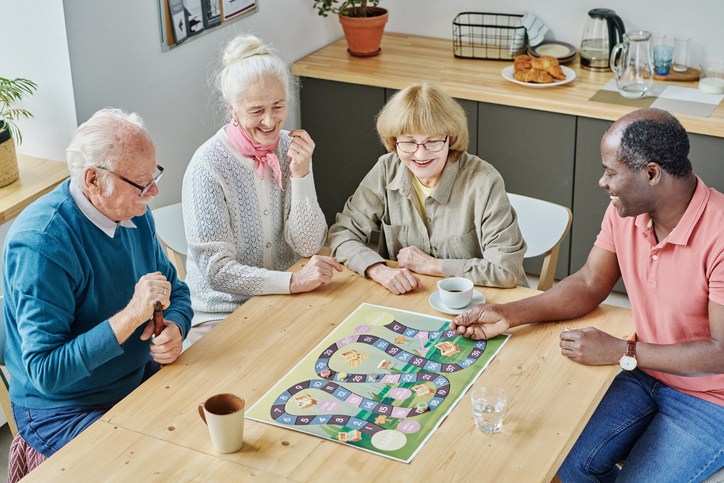
Playing games isn’t just a fun pastime — it’s one of the most rewarding ways for older adults to stay active and connected. The benefits of playing games for seniors go far beyond entertainment, helping to sharpen the mind, build relationships, and boost overall well-being.
Boost Cognitive Abilities
Card games like bridge or poker require strategic thinking and memory recall, helping seniors exercise their brains in a fun and interactive way. Word games like Scrabble or Boggle are also fantastic for improving vocabulary and cognitive speed. These activities stimulate critical parts of the brain, promoting mental agility and keeping cognitive functions sharp. Adding a challenge like solving puzzles or crosswords can further enhance problem-solving skills.
Encourage Social Connection
Many games, such as trivia or team-based activities, foster social interaction. Group games provide an opportunity for seniors to bond, share laughs, and strengthen connections with others. Social engagement has been shown to reduce feelings of loneliness and improve emotional well-being, as noted by the National Institute on Aging. Spending time with others during games creates memories that last long after the fun ends.
Improve Motor Skills and Coordination
Interactive games that involve movement, like shuffleboard or even hands-on board games like chess and checkers, help seniors maintain dexterity and hand-eye coordination. These games provide a gentle way to stay physically engaged while enjoying friendly competition.
Whether it’s trivia, cards, or puzzles, the benefits of playing games for seniors include improved memory, coordination, and confidence. These simple yet engaging activities provide both joy and a sense of accomplishment, making them an essential part of a healthy, balanced lifestyle.
Stay Engaged at McPeaks Assisted Living
At McPeak’s, seniors can enjoy a variety of games as part of our daily social and recreational programs. From lively card games to stimulating trivia sessions, we provide plenty of opportunities to play, connect, and thrive.
Playing games is more than just fun—it’s a way to stay sharp, connected, and engaged. Call McPeak’s Assisted Living at (631) 475-0445 to learn more about the activities we offer and how we create a vibrant, welcoming community for our residents.
Adjusting to Daylight Saving Time: Tips for a Smooth Transition
As daylight saving time ends, the shift can affect energy levels and daily routines—especially for older adults. These daylight saving tips for seniors can help make the transition smoother, maintain balance, and keep your days bright and energized.
-
Embrace the Extra Rest
An extra hour may sound like a small change, but can disrupt sleep patterns. Take advantage of this time by allowing yourself to adjust gradually. Going to bed and waking up 15 minutes earlier each day leading up to the change can help minimize any sudden impact.
-
Increase Exposure to Natural Light
With earlier sunsets, finding ways to enjoy sunlight during the day can help maintain energy and mood. Try spending a few minutes outside in the morning or near a sunny window, as this exposure helps regulate the body’s natural rhythm.
-
Stay Active
Engaging in light physical activity, like walking or stretching, can support sleep quality and energize you throughout the day. Staying active, even indoors, is an effective way to counter the shorter days and maintain physical and mental well-being.
Following these daylight saving tips for seniors can make it easier to adjust your sleep, stay active, and enjoy the season’s rhythm. Small changes, like getting more sunlight and keeping a consistent bedtime, can make a big difference in overall wellness.
-
Enjoy Cozy Indoor Activities
This time of year is perfect for cozy indoor activities. At McPeak’s, residents enjoy games, movie nights, and social events, which keep spirits bright and connected through the colder months. Embrace the comfort of home and the warmth of community.
Transitioning through the seasonal clock change doesn’t have to be challenging. By maintaining your routine, enjoying the sunlight, and engaging in activities you love, you can easily navigate daylight saving and look forward to a cozy fall season.
Visit our website: www.mcpeaks.com or call us at 631-475-0445.
Tips for Staying Safe and Healthy During the Fall Season
As autumn arrives with its cooler temperatures and colorful scenery, it’s important for older adults to stay mindful of their health and well-being. These fall safety tips for seniors can help you stay warm, active, and safe all season long while enjoying everything this time of year has to offer.
Get Your Flu Shot
One of the most important steps seniors can take in the fall is to get their annual flu shot. As the weather cools down, flu season ramps up, and getting vaccinated can significantly reduce the risk of illness. Many pharmacies and healthcare providers offer flu shots, making it easy to stay protected. The CDC recommends that everyone over the age of 65 get vaccinated each year to stay healthy during the colder months.
Dress for the Weather
Fall weather can be unpredictable, with cool mornings, warm afternoons, and chilly evenings. Dressing in layers is a great way to stay comfortable throughout the day. Be sure to have a warm jacket handy, and consider accessories like scarves and hats to keep you warm when temperatures dip. This ensures you’re ready for any weather changes.
Keep Moving
Following these fall safety tips for seniors helps reduce seasonal risks and supports overall wellness. Staying proactive about health and safety ensures you can enjoy the crisp air, outdoor beauty, and community activities without worry.
By following these tips, you can stay safe and healthy all season long. If you’re looking for a vibrant community that prioritizes health and wellness year-round, McPeaks Assisted Living offers a wide range of social and recreational activities to keep you engaged and active. Call McPeaks at (631) 475-0445 to learn more!
How to Make the Most of Fall with Fun Indoor Activities
As the weather cools down, it’s the perfect time to enjoy cozy and creative pastimes. These fall indoor activities for seniors bring warmth, fun, and connection to the season—perfect for making autumn days brighter.
Fall-Themed Arts & Crafts
Autumn is a great time to get creative with arts and crafts. Think of projects like leaf garlands, painted pumpkins, or homemade wreaths. These hands-on activities let you embrace the beauty of fall while creating something special to brighten up your living space.
At McPeaks Assisted Living, residents enjoy arts and crafts programs that change with the seasons, offering plenty of fun and creative expression.
Cozy Baking Sessions
One of the best ways to enjoy fall is through baking seasonal treats like pumpkin bread and apple pie. These treats bring the cozy scents of autumn to life and add a festive touch to the season. As the American Heart Association points out, engaging in activities like baking is also a great way to stay connected and engaged.
Social and Recreational Fun
Participating in fall indoor activities for seniors helps boost creativity, support social interaction, and keep spirits high throughout the cooler months. Whether baking, crafting, or enjoying a friendly game, these activities make fall more meaningful and enjoyable.
Want to learn more about how we make every season fun? Call McPeaks Assisted Living at (631) 475-0445 today!
The 5 Benefits of Staying Social as You Age
Staying connected as you age provides powerful mental and physical rewards. These benefits of staying social for seniors go beyond companionship—supporting happiness, brain health, and a greater sense of purpose.
1. Keeps Your Mind Sharp
Regular social interactions can help improve cognitive function and keep your brain engaged. Whether you’re chatting with friends or participating in group activities, staying connected can reduce the risk of cognitive decline, which is especially important as you age.
2. Boosts Happiness
Socializing with loved ones can lift your mood and reduce feelings of loneliness. At McPeaks Assisted Living, residents enjoy a welcoming community where they can stay connected, participate in activities, and form meaningful friendships.
3. Supports Physical Health
The benefits of staying social for seniors include more than just fun—they promote better emotional balance, encourage activity, and strengthen community ties that enrich daily life.
4. Builds a Sense of Community
Being part of a social group provides a sense of belonging, which is essential for mental health. Staying connected can also help reduce the health risks of isolation and loneliness, as noted by the National Institute on Aging.
5. Encourages Lifelong Learning
Socializing introduces you to new ideas and experiences, keeping you curious and engaged throughout life. Staying connected to others helps you learn and grow at any age.
Looking for a community that values staying social? Call McPeaks at (631) 475-0445 to learn more about how we create an active and engaging environment for our residents.
Finding the Perfect Balance: Aging at Home vs. Assisted Living
In a recent Wall Street Journal article, the trend of aging at home was discussed, highlighting the importance of finding the right support for loved ones. As more families explore senior care options, understanding the balance between aging at home vs assisted living is essential. While home care provides comfort and familiarity, assisted living offers professional support, social engagement, and peace of mind for families.
Personalized Care in a Comfortable Setting
At McPeaks, residents receive personalized attention that adapts to their unique needs. Our smaller, home-like setting allows for a more intimate approach to care, offering support where needed while encouraging independence. This level of care is hard to maintain with home-based services, giving families peace of mind.
Fun and Engaging Activities
One of the greatest challenges of aging at home is staying active and socially connected. With a variety of recreational programs, residents here can participate in daily activities that suit their interests and abilities. From creative projects to social events, we offer a lively environment that keeps everyone engaged and happy.
Affordable, High-Quality Care
When considering aging at home vs assisted living, it’s important to weigh lifestyle, safety, and access to support. Assisted living communities like McPeaks provide the structure and social connection that many seniors need to thrive.
At McPeaks, we strive to create a welcoming community where residents can enjoy life, stay active, and feel truly cared for, all while giving families peace of mind.
5 Signs You’re Ready For Assisted Living
No two situations are exactly alike, and there are a lot of factors to weigh when considering moving to assisted living, whether for yourself or a loved one. Here are five signs that it might be time to start thinking about making the move to assisted living.
- You Want to Expand Your Social Circle
As you or your loved one gets older and enjoys retirement, social circles can sometimes feel like they’re shrinking. Your friends may have moved away to be closer to their children or relationships you had during your working life have drifted apart.
2. Accidents and Falls are More Frequent
As the leading cause of injury among older adults, falls are often caused by an older home that isn’t designed with senior safety in mind. Car accidents also pose a major risk for serious injury for older adults. Especially if you or a loved one lives alone, making driving a necessity.
3. Home Maintenance Struggles
Aging often causes physical strength to decline. This can make it more difficult for you to keep up with housework and yard maintenance. Mowing the lawn, shoveling snow, and cleaning out the refrigerator can be difficult and even unsafe.
4. Difficulty Leaving Home
If you are having difficulty leaving your home you may benefit from moving to an assisted living community. McPeak’s offers expert staff who work with your needs. Plus all kinds of life enriching activities, fun programs, and transportation services are included to keep you engaged and comfortable.
5. Getting the Right Nutrition
One of the best things about assisted living communities is the restaurant-style dining rooms with well-balanced chef-inspired meals, snacks, and catered meal plans. You might benefit from an assisted living community if you find yourself skipping meals or relying on unhealthy fast foods.
Still not sure if assisted living is right for you? Feel free to reach us at (631) 475-0445 to answer any and all questions you may have.
Best Exercises For Seniors
Regular stretching offers numerous physical and mental health benefits for seniors. These exercises enhance flexibility, blood flow, posture, and balance, reducing the risk of falls. Some studies have shown that stretching can increase serotonin levels, reduce stress, and generally feel better.
Some of the best stretching exercises for seniors focus on hip flexors and extension movements that improve flexibility and range of motion in the hips and upper back region while countering the effects of prolonged sitting.
When stretching, try to hold your stretch for 30 seconds to give your muscles time to relax. Other great stretches for seniors include:
- Neck: bring your chin toward your chest and turn your head side to side.
- Shoulder and upper arm: hold a towel in one hand over your head, letting it drape down behind your back.
- Chest: extend both arms to the side with palms facing outward and reach back with your hands. Use a wall if you have a hard time holding your arms up.
- Lower back: Lay on your back with knees bent, feet together and feet flat on the floor. Lower legs to one side, twist your torso until you feel a stretch.
These additional safety tips from The National Institute on Aging can assist you in your stretching exercises.
- Stretch when your muscles are warmed up.
- Stretch after endurance or strength exercises.
- Don’t stretch so far that it hurts.
- Always remember to breathe normally while holding a stretch.
- Consult your doctor if you are unsure about a particular exercise.
Remember, at McPeak’s we value our seniors’ health and wellness above all, so don’t be afraid to ask our well trained staff members for assistance. Happy stretching!