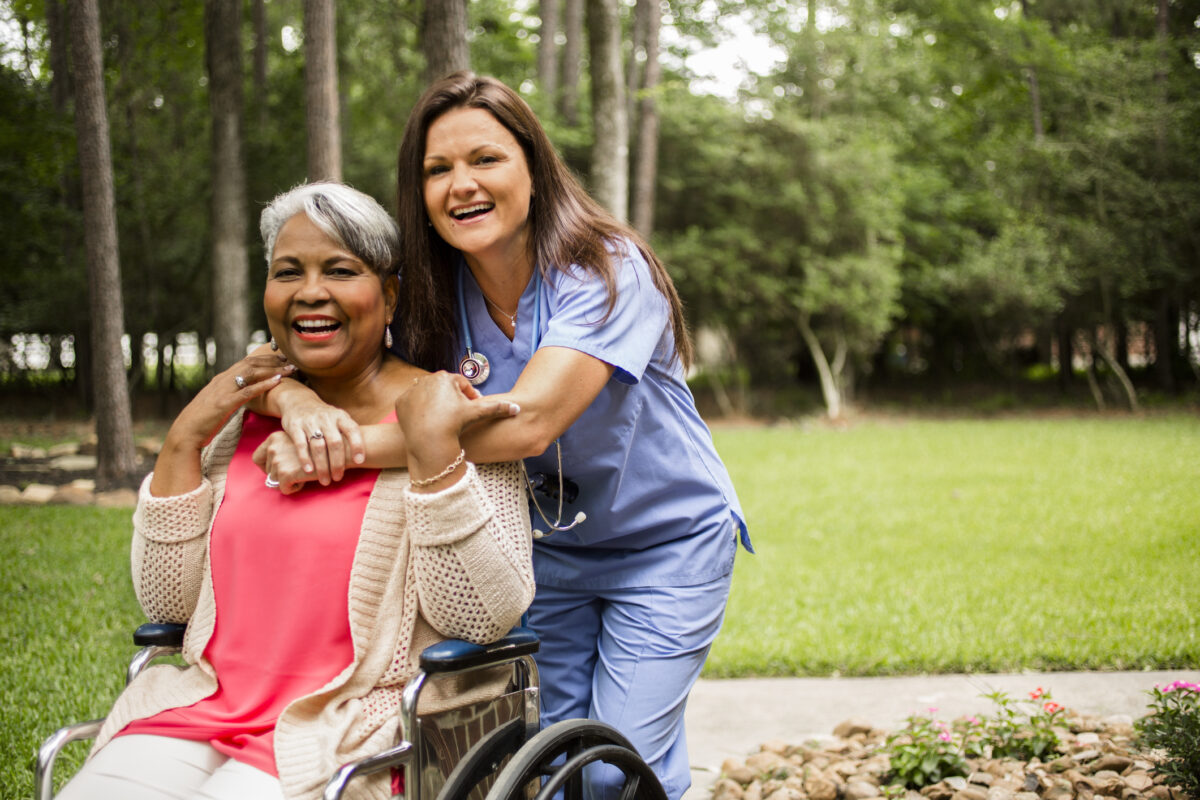

Family Engagement in Senior Care: Why Staying Connected Matters

Family involvement plays an important role in helping older adults feel supported, valued, and emotionally secure. Whether a loved one lives independently or in assisted living, maintaining strong family connections can improve overall well-being and quality of life. Understanding the importance of family engagement in senior care helps families create meaningful relationships that positively impact seniors both emotionally and physically.

Why Family Engagement Matters

As seniors age, regular interaction with loved ones can provide comfort, reassurance, and a stronger sense of belonging. Frequent communication and visits help older adults feel connected to the people and routines that matter most to them.

Research surrounding family emotional support highlights how active family participation can improve mental health, reduce stress, and strengthen emotional resilience. Seniors who maintain close family relationships often experience lower levels of loneliness and greater satisfaction in their daily lives.

Family engagement also helps caregivers and senior living staff better understand a resident’s preferences, routines, and personality, creating a more personalized care experience.

Benefits Beyond Emotional Support

Strong family connections do more than improve mood. They can also encourage seniors to stay active and engaged in daily life. Seniors who participate in family gatherings, phone calls, or social outings are often more motivated to maintain routines and participate in community activities.

Studies focused on healthy aging support note that social relationships are closely linked to improved cognitive function, physical health, and overall longevity. Family engagement can encourage seniors to stay socially connected, which contributes to healthier aging over time.

Maintaining social interaction and emotional support can also help reduce feelings of isolation and improve daily quality of life. Many seniors thrive when they feel consistently connected to family and community.

Best Practices for Staying Involved

Family engagement does not always have to involve large gatherings or lengthy visits. Consistent communication and simple gestures can make a meaningful difference.

Some helpful ways families can stay involved include:

  • Scheduling regular phone or video calls
  • Attending community events or family nights
  • Sharing photo albums or family stories
  • Participating in care planning discussions
  • Encouraging hobbies and shared activities

Even small moments of connection help seniors feel supported and included. A simple check-in call, sharing a favorite memory, or attending a community event together can brighten a senior’s entire day.

Strong family involvement also supports many of the same wellness benefits connected to reducing loneliness in senior living communities.

Building a Strong Support System

At McPeaks Assisted Living, we believe family involvement is an important part of compassionate senior care. Our community encourages open communication, family participation, and opportunities for residents to stay connected with the people who matter most.

By creating a welcoming environment for both residents and their loved ones, we help strengthen relationships and support emotional well-being every day.

Stay Connected with McPeaks Assisted Living

If you are looking for an assisted living community that values family engagement and personalized care, McPeaks Assisted Living is here to help. We are committed to creating meaningful experiences that support both residents and their families.

Contact McPeaks Assisted Living today to learn more about our supportive community and schedule a visit.

Social Security Updates for 2026: What Seniors Should Know

Each year, changes to Social Security can impact retirement income, healthcare costs, and financial planning for older adults. Staying informed about Social Security updates for 2026 can help seniors and their families better prepare for the year ahead. From cost-of-living adjustments to earnings limits and benefit changes, understanding these updates is an important part of maintaining financial stability during retirement.

Cost-of-Living Adjustments in 2026

One of the biggest annual updates for Social Security recipients is the cost-of-living adjustment, often referred to as COLA. These increases are designed to help benefits keep pace with inflation and rising living expenses.

Recent information regarding the 2026 adjustment can be found through 2026 COLA updates, which outline changes to monthly benefit amounts and other important figures tied to Social Security payments.

For many seniors, even modest increases can help offset rising costs related to groceries, utilities, healthcare, and prescription medications. However, inflation can still create financial pressure, making budgeting and long-term planning especially important.

Earnings Limits and Tax Considerations

Seniors who continue working while receiving Social Security benefits should also pay attention to annual earnings limits. Exceeding certain income thresholds before reaching full retirement age may temporarily reduce benefit payments.

At the same time, some retirees may see changes in how Social Security benefits are taxed depending on their total retirement income. This can include pensions, retirement account withdrawals, and investment income. Understanding how these pieces work together helps seniors avoid unexpected financial surprises during tax season.

Helpful breakdowns of several upcoming benefit and policy changes are included in articles discussing Social Security changes in 2026, including adjustments that may affect retirees differently based on income and filing status.

Planning Ahead for Retirement Stability

As costs continue to change, seniors benefit from reviewing their financial plans regularly. This may include:

  • Reviewing monthly budgets and expenses
  • Monitoring healthcare and prescription costs
  • Evaluating retirement account withdrawals
  • Meeting with a financial advisor if needed
  • Staying updated on Social Security announcements

Preparing ahead of time allows seniors to make informed financial decisions and feel more confident about managing retirement income.

Why Staying Informed Matters

Social Security remains one of the primary income sources for many retirees. Even smaller policy updates can influence long-term financial planning and daily budgeting. Staying informed helps seniors better understand their benefits and make proactive choices for the future.

Families and caregivers can also play an important role by helping older loved ones review updates, organize financial paperwork, and understand how changes may affect their household budget.

Support and Peace of Mind at McPeaks Assisted Living

At McPeaks Assisted Living, we understand that financial peace of mind is an important part of overall well-being. Our supportive community helps seniors focus less on stress and more on enjoying daily life in a comfortable and caring environment.

If you or a loved one are exploring senior living options, contact McPeaks Assisted Living to learn more about our community and schedule a visit today.

Understanding Senior Dementia vs. Depression: Signs, Differences, and Support

As loved ones age, changes in memory, mood, or behavior can raise concerns. Two common conditions that often get confused are dementia and depression in seniors. While they may share some similar symptoms, they are very different conditions that require different approaches to care. Understanding the differences between senior dementia vs. senior depression is essential for early support and proper treatment.

What Is Depression in Older Adults?

Depression in seniors goes beyond occasional sadness. It can affect how a person feels, thinks, and handles daily activities. Some common signs include:

  • Persistent feelings of sadness or hopelessness

  • Loss of interest in hobbies or social activities

  • Changes in appetite or sleep patterns

  • Fatigue or low energy

  • Difficulty concentrating

According to the National Institute of Aging, depression is not a normal part of aging and can often be treated with the right support, therapy, or medication.

What Is Dementia?

Dementia is a broader condition that affects memory, thinking, and reasoning abilities. It typically progresses over time and interferes with daily life. Symptoms may include:

  • Memory loss that disrupts daily routines

  • Confusion about time or place

  • Difficulty completing familiar tasks

  • Trouble with language or communication

  • Poor judgment or decision-making

Unlike depression, dementia is usually caused by physical changes in the brain and tends to worsen gradually.

Key Differences Between Dementia and Depression

Although both conditions can affect mood and memory, there are important differences. Depression often comes on more suddenly and may fluctuate, while dementia develops slowly and consistently worsens over time. Seniors with depression are typically aware of their memory problems and may express concern about them. In contrast, those with dementia may not recognize the extent of their cognitive decline.

Additionally, depression can sometimes mimic dementia-like symptoms, a condition sometimes referred to as “pseudodementia.” This makes proper evaluation especially important.

Helpful insights from the Alzheimer’s Association about how these conditions can overlap also highlight the importance of understanding both conditions when caring for older adults.

How to Support Seniors with These Conditions

If you notice changes in a loved one, early action is key. Encouraging a medical evaluation can help determine whether symptoms are related to depression, dementia, or another condition entirely.

Support strategies may include:

  • Creating a consistent daily routine

  • Encouraging social interaction and engagement

  • Monitoring changes in mood or memory

  • Providing emotional reassurance and patience

  • Seeking professional care when needed

For depression, treatment may involve therapy, medication, and increased social engagement. For dementia, care often focuses on safety, structure, and cognitive support.

Compassionate Care at McPeaks

At McPeaks Assisted Living, we understand that navigating cognitive and emotional changes can be challenging for both seniors and their families. Our supportive environment is designed to provide comfort, routine, and compassionate care tailored to each resident’s needs.

If you’re concerned about a loved one or exploring care options, we’re here to help.

Contact McPeaks Assisted Living or call 631-475-0445 to learn more about how we support seniors with dignity and understanding every day.

How Senior Living Communities Reduce Loneliness and Improve Senior Health

Loneliness is a growing concern among older adults, especially for those living alone or with limited social interaction. Over time, isolation can impact both emotional and physical well-being. Fortunately, senior living communities offer a supportive solution. Understanding how senior living communities reduce loneliness and improve senior health can help families make informed decisions about care and quality of life.

The Link Between Social Connection and Health

Human connection plays a vital role in overall wellness. Seniors who regularly engage with others often experience improved mood, better cognitive function, and even stronger physical health. In contrast, prolonged isolation has been linked to increased risks of depression, heart disease, and memory decline.

Research highlighted from the National Library of Medicine shows that social engagement is closely tied to better health outcomes in older adults. Regular interaction helps reduce stress, encourages mental stimulation, and promotes a more active lifestyle.

Daily Opportunities for Social Interaction

One of the biggest advantages of senior living communities is the built-in opportunity for connection. Residents are surrounded by peers and have access to a variety of activities that encourage participation and interaction.

These may include:

  • Group meals and shared dining experiences

  • Social events, games, and cultural activities

  • Fitness classes and wellness programs

  • Clubs or hobby-based gatherings

These daily touchpoints help seniors feel included and valued. Rather than spending long periods alone, residents have consistent opportunities to engage with others and build meaningful relationships.

Improving Physical Health Through Community Living

Social interaction doesn’t just improve emotional well-being; it also supports physical health. When seniors feel connected and motivated, they are more likely to stay active, attend wellness programs, and maintain healthier routines.

According to insights from U.S. News & World Report, senior living communities are associated with lower rates of hospitalization and improved overall health. Access to on-site support, structured routines, and wellness resources makes it easier for residents to manage their health consistently.

A Sense of Purpose and Belonging

Beyond activities and care, senior living communities provide a sense of belonging, which is equally important for seniors. Feeling part of a community can restore confidence and purpose, which often declines with isolation.

Residents have the opportunity to form friendships, share experiences, and contribute to their environment. Whether it’s participating in group discussions or helping organize an event, these moments create a renewed sense of identity and fulfillment.

Experience Connection at McPeaks Assisted Living

At McPeaks Assisted Living, we understand that connection is key to living well. Our community is designed to foster relationships, encourage engagement, and support both emotional and physical health. From social programming to personalized care, we help residents feel connected, comfortable, and cared for every day.

If you’re exploring senior living options for yourself or a loved one, we invite you to learn more about how a supportive community can make a difference. Contact McPeaks Assisted Living or call 631-475-0445 to schedule a visit and discover how we help seniors thrive.

Smart Grocery Shopping Tips for Seniors: How to Save Money on Food

For many seniors living on a fixed income, grocery shopping can feel more expensive each year. Rising food prices and changing dietary needs can make it difficult to stay within a budget. The good news is that with a few practical strategies, older adults can stretch their grocery dollars while still enjoying nutritious meals. Learning how seniors can save money on groceries is an important step toward maintaining both financial and physical well-being.

Plan Ahead Before You Shop

One of the most effective ways to reduce grocery costs is by planning ahead. Creating a weekly meal plan helps prevent unnecessary purchases and reduces food waste. When seniors know exactly what meals they plan to prepare, they can make a focused shopping list and avoid impulse buys.

Checking store flyers, digital coupons, and weekly promotions before heading to the store can also make a noticeable difference. Many grocery stores offer senior discount days or loyalty rewards that provide additional savings. Small steps like these can add up over time and make grocery shopping more manageable.

Take Advantage of Senior Food Assistance Programs

Many seniors are unaware of the financial assistance programs available to help with food costs. Government and nonprofit programs provide valuable resources that help older adults access healthy groceries at reduced prices.

For example, food assistance programs help connect older adults with local initiatives that provide free or discounted food. These programs can include community meal services, farmers market vouchers, or food delivery options designed specifically for seniors.

Taking advantage of these resources can help ease financial stress while ensuring seniors maintain a balanced and nutritious diet.

Shop Smart and Choose Budget-Friendly Options

Saving money at the grocery store doesn’t always mean buying less—it often means shopping smarter. Purchasing store brands instead of name brands can significantly lower the total cost of groceries while still providing the same nutritional value.

Buying foods that are in season is another great way to save money. Seasonal produce is typically less expensive and often fresher than out-of-season options. Seniors can also consider purchasing frozen fruits and vegetables, which are affordable, nutritious, and last longer than fresh produce.

Explore more tips to save money and help your dollar stretch more at the grocery store. These kinds of guides provide simple techniques that can help seniors make thoughtful purchasing decisions.

Consider Smaller Shopping Trips

Large grocery trips can sometimes lead to overspending or food spoilage. Instead, seniors may benefit from making smaller, more frequent visits to the store. This approach helps ensure food stays fresh and allows shoppers to take advantage of new discounts or weekly promotions.

Some seniors also find it helpful to shop during quieter hours when stores are less crowded. This can make the experience more comfortable and allow for better focus on comparing prices.

Supporting a Comfortable Lifestyle

Managing grocery expenses is just one part of maintaining a comfortable and secure lifestyle in retirement. At McPeaks Assisted Living, we understand how important it is for seniors to feel supported in every aspect of daily living.

If you or a loved one are exploring assisted living options that offer comfort, community, and peace of mind, we invite you to learn more. Contact McPeak’s today to discover how our community supports residents in living well every day.

Strength and Confidence: The Benefits of Resistance Training for Seniors

Staying active is one of the most important ways older adults can maintain independence and overall well-being. While many people think of walking or light stretching as the main forms of exercise for seniors, resistance training for seniors is equally important. Strength-based exercises help build muscle, improve balance, and support everyday mobility. With the right approach, resistance training can become a safe and empowering part of a healthy lifestyle for older adults.

Why Resistance Training Matters as We Age

As people grow older, muscle mass naturally declines. This process can lead to reduced strength, decreased mobility, and a higher risk of falls. Resistance training helps counteract these changes by strengthening muscles and supporting joint stability.

Regular strength exercises can help seniors maintain the ability to perform daily tasks such as climbing stairs, carrying groceries, or getting up from a chair. Over time, stronger muscles also help protect bones and improve posture, which plays an important role in preventing injuries. Learning more about the long-term health benefits of strength training can help seniors feel confident about incorporating it into their routine and understand why these exercises are valuable at any age.

Health Benefits Beyond Muscle Strength

The advantages of resistance training extend beyond simply building muscle. Many seniors experience improvements in several aspects of their health when they include strength exercises in their weekly routine.

Some key benefits include:

  • Improved balance and coordination
  • Increased bone density
  • Better joint support and flexibility
  • Improved metabolism and energy levels
  • Greater independence in daily activities

Strength training can also have positive effects on mental health. Exercise releases endorphins that help boost mood and reduce feelings of stress or anxiety. For seniors, staying physically active often leads to increased confidence and a stronger sense of well-being.

Simple Ways Seniors Can Start Strength Training

Resistance training does not require heavy weights or a gym membership. Many exercises can be performed using light dumbbells, resistance bands, or even body weight. Movements such as seated leg lifts, wall push-ups, and gentle squats can help strengthen key muscle groups while remaining safe and manageable.

Seniors may also benefit from following guided strength exercise videos that demonstrate safe movements and pacing. Watching step-by-step demonstrations can make it easier to learn proper form and feel confident when starting a new routine.

Building Strength in a Supportive Environment

The key to successful resistance training for seniors is consistency and support. Starting slowly, listening to the body, and choosing appropriate exercises allows older adults to gain strength safely. When seniors feel encouraged and supported, they are more likely to stay active and continue building healthy habits.

We understand how important physical wellness is for maintaining independence and confidence as we age. Our community encourages residents to stay active through safe, engaging activities that support both physical and emotional health.

Discover a Supportive Community at McPeak’s

If you or a loved one is looking for a community that values health, wellness, and an active lifestyle, McPeak’s Assisted Living is here to help. Our team is dedicated to supporting seniors in living vibrant, fulfilling lives every day.

Contact McPeak’s to learn more about our community or schedule a visit today.

Assistive Devices That Make Everyday Life Easier for Seniors

As we age, everyday tasks that were once effortless can become more challenging. Thankfully, assistive devices for seniors are designed to help older adults maintain independence, stay safe, and improve overall quality of life. From mobility aids to smart technology that enhances accessibility, these tools empower seniors to handle daily activities with greater confidence and comfort.

Mobility and Fall Prevention Tools

One of the most common challenges seniors face is maintaining balance and mobility. Simple devices can make a major difference:

  • Walkers and rollators: Provide stable support while walking, especially for seniors who tire easily or have balance issues.
  • Canes with ergonomic handles: Help distribute weight and reduce strain on joints.
  • Bed and chair assist handles: Offer support when standing up or sitting down, reducing the risk of falls.

According to Healthline’s guide to assistive devices for the elderly, these tools not only help with walking and stability but also promote confidence and reduce the likelihood of injury in the home.

Daily Living Aids

Assistance isn’t just about getting from point A to point B. Many devices make routine tasks easier:

  • Reachers and grabbers allow seniors to pick up items without bending or stretching.
  • Jar openers and adaptive utensils help those with limited hand strength maintain independence in the kitchen.
  • Sock aids make dressing less frustrating for individuals with limited flexibility.

These everyday living aids help seniors complete tasks they might otherwise avoid due to discomfort or physical limitations.

Vision and Hearing Support Technology

Maintaining connection with the world around you is vital for emotional well-being. For seniors with vision or hearing loss, assistive technology can bridge gaps:

  • Screen readers and magnification software help individuals with low vision access computers, phones, and tablets. Tools like those highlighted by the American Foundation for the Blind provide alternative ways to read and interact with digital content.
  • Amplified phones and hearing assistive devices make conversations clearer and more accessible.

Technology continues to evolve, offering more intuitive and user-friendly options that help seniors stay connected with loved ones and engaged with their communities.

Smart Home Devices

Smart home devices bring convenience and safety into daily life. Voice-activated assistants can control lights, thermostats, and reminders. Motion-sensing lights reduce the risk of nighttime falls, and smart doorbells improve security by allowing residents to see visitors without needing to open the door.

Finding the Right Balance of Support

Every senior’s needs are different. What works for one person might not be necessary for another. Caregivers can help evaluate daily challenges and determine which assistive devices will provide the most benefit. Simple changes can yield big gains in independence and comfort

Discover Support That Makes Life Easier

At McPeaks Assisted Living, we support residents with a range of tools and services that enhance daily life while promoting independence and safety. If you’d like to learn more about how we help seniors live more comfortably and confidently, contact McPeaks Assisted Living or call 631-475-0445. We’re here to help your loved one live their best life.

Finding Joy in Everyday Activities as We Age

Growing older doesn’t mean life becomes smaller. In many ways, it becomes richer. With fewer distractions and more time to focus on what truly matters, seniors often find that happiness comes from simple, everyday experiences. Joyful aging isn’t about big plans or constant excitement. It’s about discovering comfort, purpose, and positivity in the little moments that make each day meaningful.

At McPeak’s, we believe joy can be found in routine, connection, creativity, and the world around you.

The Power of Daily Routines

There is something comforting about having a rhythm to your day. A warm cup of tea in the morning, reading the newspaper, or enjoying a quiet moment by the window can set a positive tone. These small routines create stability and help seniors feel grounded.

Even light movement, such as stretching or taking a short walk, can improve energy and mood. When seniors focus on consistency rather than intensity, everyday habits can support both emotional and physical well-being.

Rediscovering Hobbies and Interests

One of the best ways to find joy in everyday activities is to return to hobbies. Painting, knitting, puzzles, music, writing, or simple crafts can bring a sense of accomplishment and creativity. These activities also provide mental stimulation, which is important for healthy aging.

Hobbies often become even more enjoyable when shared with others. Whether it’s joining a game night or participating in group activities, social engagement adds another layer of happiness and connection.

Enjoying the Outdoors and Fresh Air

Spending time outdoors can instantly boost the spirit. Seniors don’t need to go far to enjoy nature. Visiting places like local parks, walking paths, or quiet gardens can provide fresh air, sunlight, and a change of scenery that feels refreshing.

Even sitting outside for a few minutes can create a calming sense of peace. Nature has a way of encouraging mindfulness, helping seniors slow down and appreciate the moment.

A Mindset That Encourages Joy

Sometimes joy begins with perspective. Taking a few moments each day to reflect on something positive can shift focus away from stress and toward gratitude. Whether it’s a friendly conversation, a delicious meal, or a favorite song, recognizing small wins adds up over time.

Feeling supported also plays a major role. When seniors are surrounded by encouragement and community, it becomes easier to stay motivated and engaged.

Discover Joy at McPeaks Assisted Living

At McPeaks Assisted Living, we create an environment where residents are encouraged to find joy in everyday life. From social gatherings to quiet moments of relaxation, our community supports comfort, connection, and fulfillment.

If you or a loved one is ready to experience a lifestyle focused on well-being and purpose, we invite you to learn more.

Contact McPeaks Assisted Living today or call 631-475-0445 to schedule a visit and discover how meaningful each day can be.

A Senior’s Guide to Getting Ready for Tax Season

Tax season can feel overwhelming for older adults and their caregivers, but a little preparation goes a long way. Understanding how tax rules apply to retirement income, Social Security benefits, and potential deductions helps ensure you file accurately and avoid surprises. This guide breaks down key considerations and practical steps to help seniors and caregivers navigate the process with confidence.

Know When You Need to File

Not all retirees have to file a federal tax return every year. Whether you need to file depends on your total income, filing status, and age. For example, some seniors with income solely from Social Security may not meet the minimum thresholds that require filing. The TurboTax resource on Social Security and filing requirements explains how Social Security benefits factor into your overall taxable income.

It’s important to check current income thresholds each year since they can change with inflation and new tax laws. Caregivers should help by gathering all necessary documents and comparing them to IRS guidance to determine filing requirements.

Gather Key Financial Documents

Organization is half the battle. Before you start your return, collect the following:

  • Social Security and pension statements
  • 1099s for retirement account withdrawals or interest income
  • Year-end bank and investment statements
  • Property tax and mortgage interest statements
  • Any records of deductible expenses

Having these documents ready not only speeds up tax preparation but also reduces stress and improves accuracy.

Understand Taxable vs. Non-Taxable Income

Not all income is treated the same. Many seniors receive a mix of Social Security, retirement distributions, investment earnings, and possibly part-time wages. Some of these sources may be partially or fully taxable. The IRS Seniors & Retirees portal provides helpful details on how different types of income are taxed, filing thresholds, and available credits.

For example, a portion of Social Security benefits may be taxable based on your combined income. Retirement account withdrawals, such as from IRAs or 401(k)s, are typically taxable unless they’re a Roth distribution that meets certain criteria.

Explore Deductions and Credits

Seniors may qualify for tax breaks that reduce their taxable income. Common deductions include:

  • Medical and dental expenses above a certain percentage of income
  • Property tax deductions
  • Charitable contributions
  • Standard deduction (which is higher for taxpayers over a certain age)

List these out early and keep receipts organized so you can claim eligible deductions without scrambling at the last minute.

Consider Professional Help

Taxes for seniors can be complex, especially when retirement accounts, Required Minimum Distributions (RMDs), and investment income are involved. A certified tax professional or trusted preparer can help ensure returns are correct and optimized for your situation. Caregivers can assist by organizing information and attending appointments if needed.

Ready for Support This Tax Season?

Preparing for tax season doesn’t have to be stressful. With the right information and organization, seniors and caregivers can approach filing with confidence. If your loved one is considering a supportive community where financial peace of mind and overall well-being are priorities, contact McPeaks Assisted Living or call 631-475-0445

Our team is here to support every aspect of senior living, including resources that help families plan for life’s milestones.​​

Creating a Meaningful Retirement: Discovering Purpose and Leaving a Lasting Legacy

Retirement is more than an endpoint; it’s a new beginning. For many older adults, this phase of life offers a chance to reconnect with personal passions, reflect on past accomplishments, and explore a deeper sense of purpose. Creating a meaningful retirement involves more than financial planning; it’s about shaping a lifestyle rooted in fulfillment, resilience, and connection. At McPeaks Assisted Living, we support our residents in making the most of this important chapter.

Why Purpose Matters in Retirement

Having a sense of purpose in retirement is directly linked to better health and happiness. According to the National Institutes of Health, older adults who maintain purpose experience lower rates of cognitive decline, greater emotional well-being, and even improved physical health. Whether it’s mentoring, creative projects, or volunteering, purposeful living keeps the mind active and the heart full.

At McPeaks, we’ve seen how meaningful routines, engaging activities, and strong community ties can significantly improve quality of life. Retirement isn’t just about slowing down; it’s about choosing how to spend your time in ways that bring joy and satisfaction.

Resilient Living in the New Era of Retirement

Today’s retirees are redefining what this stage of life looks like. According to Edward Jones, seniors are increasingly focused on resilient choices—prioritizing health, family, relationships, and legacy. This shift is reshaping how we think about aging. Seniors are seeking not just care, but opportunity: opportunities to grow, give back, and stay engaged with the world around them.

At McPeaks Assisted Living, we help residents embrace this mindset through social events, personal development activities, and a supportive environment that encourages independence. Residents can explore what matters most to them while enjoying the comfort and peace of mind that comes with daily support.

A Supportive Environment for a Fulfilling Lifestyle

Living in a warm, welcoming setting makes it easier to focus on what’s meaningful. McPeaks offers the structure and care many seniors need—freeing them to pursue personal goals, maintain friendships, and build their legacy. Whether it’s reflecting on the past or creating new memories, retirement at McPeaks is full of potential.

We believe everyone deserves to feel valued, purposeful, and connected at every stage of life.

Start Building Your Meaningful Retirement Today

If you or a loved one is ready to explore a retirement lifestyle that supports purpose and well-being, we invite you to learn more.

Contact McPeaks Assisted Living or call 631-475-0445 to schedule a tour and discover how we help residents live life with meaning every day.

Skip to content