
Top 10 Creative Hobby Ideas for Seniors to Enjoy

Living isn’t just about daily care—it’s about creating moments of joy, connection, and purpose. For seniors, staying engaged in creative hobbies for seniors can uplift mood, inspire creativity, and strengthen bonds with friends and neighbors. At McPeak’s Assisted Living, we encourage our community members to fill each day with meaning, connection, and fun by providing activities that bring smiles and foster a sense of belonging.

The Power of Staying Engaged 

As we age, it’s essential to keep our minds and spirits active. Research shows that engaging consistently in daily activities and interactions can also play a crucial role in protecting brain health over time.  According to the National Institute on Aging, participating in meaningful activities and hobbies can improve wellbeing, reduce stress, and help maintain cognitive function. Whether it’s learning something new or revisiting a lifelong passion, hobbies enrich life at every stage.

At McPeak’s Assisted Living, we make it easy for residents to pursue hobbies they love. Here are 10 creative hobbies for seniors that bring joy, belonging, and connection:

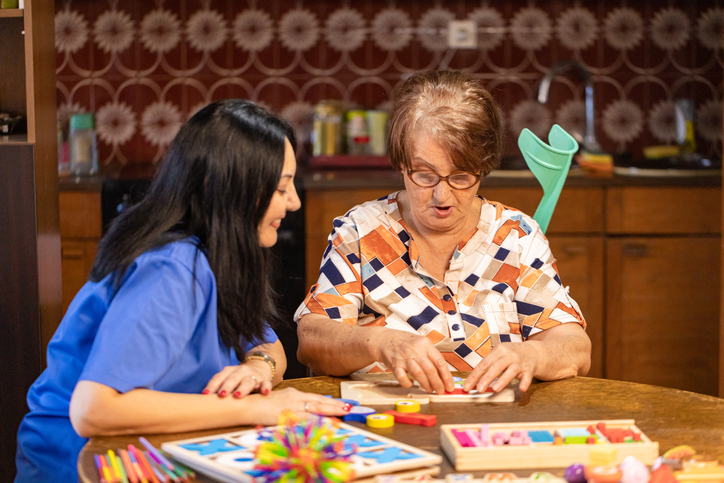
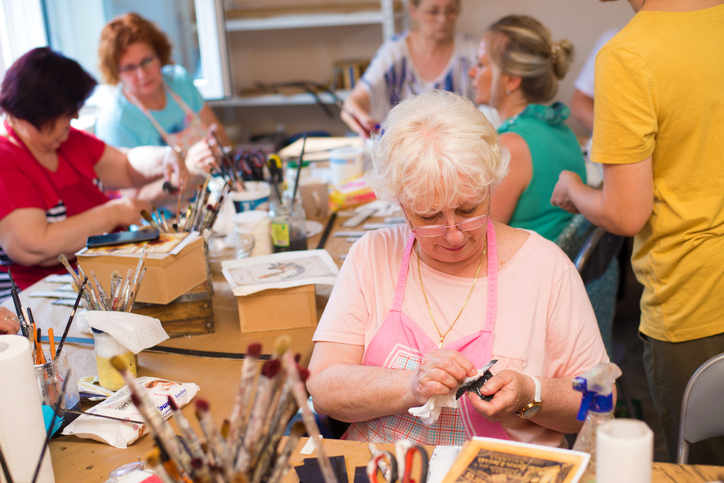
  1. Painting and Drawing: Art is a powerful form of expression. Whether residents prefer watercolor, acrylics, or sketching, painting and drawing help them express feelings, improve focus, and create beautiful works to display or share.
  2. Gardening: Tending to flowers, herbs, or small indoor plants offers a sense of purpose, relaxation, and connection to nature. Gardening is a hobby that soothes the mind and brings fresh beauty into daily life.
  3. Reading: Reading books, newspapers, or magazines is a lifelong hobby that keeps the mind active, reduces stress, and sparks interesting conversations with fellow residents.
  4. Knitting and Crocheting: Creating scarves, blankets, or decorative pieces through knitting and crocheting is both soothing and productive. It also allows residents to make gifts for loved ones or donations to local charities.
  5. Puzzles and Brain Games: Completing puzzles, crosswords, and Sudoku challenges the mind, improves memory, and provides a sense of achievement with every puzzle solved.
  6. Writing and Journaling: Writing stories, poems, or daily reflections allows residents to share their life experiences, explore creativity, and preserve memories for family and friends.
  7. Playing Music or Singing: Whether playing an instrument or singing along to favorite songs, music is a hobby that uplifts the spirit, enhances mood, and brings people together.
  8. Cooking and Baking: Experimenting with simple recipes, decorating cookies, or learning new cooking techniques adds fun to daily routines while creating delicious treats to enjoy or share.
  9. Photography: Taking photos of nature, friends, or daily life is a hobby that encourages residents to notice beauty in their surroundings and create visual memories to cherish.
  10. Crafting: From making greeting cards and seasonal decorations to jewelry-making, crafting hobbies engage creativity and fine motor skills while producing meaningful handmade items.

Living with Purpose at McPeak’s Assisted Living

At McPeak’s Assisted Living, we believe every resident should have the opportunity to explore creative hobbies for seniors that keep them inspired and connected. Our supportive team helps residents discover new interests and continue lifelong passions in a welcoming, engaging environment.

If you or your loved one is looking for a caring community that encourages hobbies, creativity, and joyful living, contact us today by calling (631) 475-0445 to learn more about how McPeak’s makes every day meaningful and bright.

Eat to Stay Sharp: Top 10 Best Foods for Better Brain Health

Eating well isn’t just about satisfying daily meal needs—it’s also about keeping the mind strong and sharp. For seniors, choosing the best brain foods for seniors can make a real difference in memory, focus, and overall cognitive health. At McPeak’s Assisted Living, we see every meal as a chance to nourish both body and mind. From breakfast to dinner, simple food choices can support clearer thinking and healthier aging. 

The Power of Nutrition

As we age, it’s natural to experience changes in memory and cognitive function. However, research shows that what we eat can play a key role in protecting brain health over time. According to the National Institutes of Health, a balanced diet rich in certain nutrients can help support cognitive function and may reduce the risk of age-related decline. Some of these nutrients include antioxidants, B vitamins, Choline, Omega-3 fatty acids, and vitamin E – all of which work together to keep your brain strong and ready for each new day. 

At McPeak’s Assisted Living, we make it simple to include these brain-boosting nutrients in everyday meals. Below are the top 10 best foods for seniors that can help nourish your mind, support clearer thinking, and promote healthier aging:

  1. Berries (Blueberries, Strawberries, Raspberries): Berries are packed with high levels of antioxidants, vitamins, and fiber, which help fight inflammation, boost the immune system, and neutralize free radicals, helping prevent cell damage that contributes to aging and disease.
  2. Leafy Greens (Spinach, Kale, Cabbage): Greens are rich in vitamins A, C, and K, folate, fiber, and antioxidants that support bone health, immunity, digestion, and cognitive function. Their anti-inflammatory properties also protect against chronic diseases.
  3. Eggs: Eggs are an excellent source of choline, a nutrient that supports memory and cognitive function. They also provide excellent protein and healthy fats essential for overall brain health.
  4. Fish: Fatty fish are rich in omega-3s, protein, and vitamin D, which support brain function, reduce inflammation, and support bone health.
  5. Whole Grains: Whole grains are high in fiber, supporting healthy digestion and steady blood sugar levels. They also provide lasting energy and essential nutrients such as B vitamins, iron, magnesium, and selenium that benefit heart and brain health.
  6. Nuts/Seeds: Nuts and seeds contain healthy fats, vitamin E, and antioxidants that protect brain cells and support cognitive performance, while also promoting heart health.
  7. Beans: Beans are packed with plant-based protein, fiber, and B vitamins that support energy production and keep the brain alert throughout the day.
  8. Avocados: Avocados are rich in monounsaturated fats, which support healthy blood flow to the brain. They also provide fiber, potassium, and antioxidants for overall wellness.
  9. Greek Yogurt: Greek yogurt is a great source of protein and probiotics that support gut health, which research links to improved mood and cognitive function.
  10. Dark Chocolate: Dark chocolate contains flavonoids and antioxidants that enhance memory, improve mood, and protect the brain from oxidative stress when consumed in moderation.

Supporting Brain Health at McPeak’s Assisted Living

At McPeak’s Assisted Living, we understand that the best brain foods for seniors are essential to healthier aging. That’s why we incorporate nutrient-rich meals into our daily menus, giving residents the nutrition they need to stay sharp, energized, and engaged in the activities they love.

If you or your loved one is looking for a caring community that prioritizes both body and mind wellness, contact us by calling (631) 475-0445 to learn more about how we help our residents feel nourished, connected, and cared for every day of the year. 

7 Energizing Outdoor Fitness Activities for Seniors

Staying active doesn’t have to mean hitting the gym. For older adults, outdoor fitness for seniors offers a refreshing way to improve mobility, boost mood, and soak up some sunshine—all while reaping long-term health benefits. The Centers for Disease Control and Prevention (CDC) recommends at least 150 minutes of moderate activity per week for older adults, which can help improve balance, heart health, and mental clarity. Here are seven fun outdoor fitness ideas to help you get moving.

  1. Brisk Walks in Nature

Walking is simple, free, and low-impact. Whether it’s a stroll through the neighborhood or a trail walk at a nearby park, walking improves cardiovascular health and helps maintain joint flexibility.

  1. Chair Yoga or Stretching in the Shade

Bring a sturdy chair outdoors and enjoy a gentle stretching or yoga session. These low-impact moves help improve flexibility and posture while reducing the risk of falls.

  1. Gardening as a Workout

Tending to plants, pulling weeds, and watering flowers may not seem like exercise, but gardening works your muscles and encourages movement in a relaxing environment.

  1. Water Aerobics or Swimming

If you have access to a pool, water-based exercise is great for reducing joint stress while increasing strength and endurance. Many community centers offer senior-friendly swim programs during warmer months.

  1. Tai Chi 

Often described as “meditation in motion,” Tai Chi combines slow, flowing movements with deep breathing. Practicing it outdoors adds an extra layer of peace and focus, and studies from the National Institutes of Health show it can improve balance and reduce the risk of falls in seniors.

  1. Outdoor Group Fitness Classes

Many towns offer free or low-cost outdoor fitness classes, like low-impact aerobics or stretching groups tailored to seniors. They’re a great way to stay active and meet new friends.

  1. Nature-Based Scavenger Hunts

Invite a friend or grandchild and turn a nature walk into a fun scavenger hunt. It keeps your brain sharp while adding purpose to your movement.

Get Outdoors and Feel Great

Incorporating outdoor fitness for seniors into a weekly routine supports both physical and emotional well-being. Sunshine, movement, and a change of scenery can make a big difference in helping older adults feel energized, balanced, and connected.

Want to learn more about how to maintain an active lifestyle at any age? Schedule a visit to McPeak’s today and discover a community that supports wellness every step of the way.

Understanding Diabetes Risk Factors in Seniors

As we age, our risk of developing chronic health conditions increases, and diabetes is one of the most common concerns for older adults. Focusing on diabetes prevention for seniors is key to staying proactive about long-term health and building habits that support a healthier future.

Why Seniors Are More at Risk

Age is a natural risk factor for type 2 diabetes. The body becomes more resistant to insulin over time, and older adults may also experience less physical activity and slower metabolism. According to the National Institute on Aging, diabetes can lead to serious complications in seniors, including heart disease, vision loss, and kidney problems.

Lifestyle and Weight Management

Carrying extra weight is one of the strongest predictors of developing type 2 diabetes. The American Diabetes Association explains that excess fat, particularly around the abdomen, can increase insulin resistance. Making small lifestyle adjustments—such as walking more, reducing processed sugar, and eating balanced meals—can go a long way in prevention.

Regular physical activity doesn’t have to be intense to be effective. Even gentle exercises like daily stretching, gardening, or group walks can help regulate blood sugar levels and improve overall well-being. The key is consistency and finding ways to stay moving each day.

Family History and Genetics

Having a parent or sibling with type 2 diabetes also raises your risk. While you can’t change your genes, being aware of your family history can help you take action early through regular screenings and healthier daily choices.

How Supportive Living Helps

For those living in a supportive community like McPeaks Assisted Living, healthy living is made easier. Nutritious meals, opportunities for movement, and medical monitoring all contribute to better health outcomes for seniors, especially those managing chronic conditions like diabetes.

Stay Ahead of the Risks

Understanding what puts seniors at greater risk for diabetes is the first step toward prevention. By prioritizing diabetes prevention for seniors through consistent activity, balanced nutrition, and regular screenings, older adults can take meaningful steps toward better health and independence.

If you or a loved one is considering a more supportive lifestyle, contact McPeaks or call (631) 475-0445 to learn how we help residents thrive while prioritizing their health.

Sleep and Senior Wellness: Why Restful Nights Matter More Than Ever

Getting a full night of restful sleep is essential for overall wellness, especially in older adults. As we age, our sleep patterns naturally shift, often resulting in lighter sleep, more frequent awakenings, or earlier wake times. Learning practical sleep tips for seniors can make a big difference in maintaining energy, mood, and long-term health.

Why Sleep Matters for Older Adults

The National Institute on Aging notes that older adults still need seven to nine hours of sleep each night, even though many experience more difficulty achieving it. Poor sleep has been linked to increased risks of memory issues, mood changes, falls, and weakened immune function. Chronic sleep deprivation may also impact heart health and contribute to depression or anxiety.

Simple Habits Can Make a Big Difference

Improving sleep doesn’t always require drastic changes. The National Council on Aging recommends practical sleep tips for seniors, like going to bed and waking up at the same time each day, limiting caffeine intake in the afternoon, and establishing a relaxing bedtime routine. Even light exercise during the day and exposure to natural light can help reset the body’s internal clock.

How Assisted Living Supports Better Sleep

At McPeaks Assisted Living, we know that sleep quality is a key part of maintaining health and happiness. That’s why our environment is designed to promote comfort, routine, and relaxation. Residents benefit from consistent schedules, calm surroundings, and caring staff who can help adjust evening routines and address any sleep-related concerns.

Our approach to personalized care includes creating a peaceful atmosphere and minimizing nighttime disruptions. Whether it’s adjusting room lighting, offering quiet evening activities, or ensuring residents feel safe and supported, every detail plays a role in fostering better rest.

Sleep Well, Live Well

Good sleep doesn’t just help seniors feel more alert. It supports stronger immunity, emotional well-being, and cognitive clarity. In a setting like McPeaks, the right care and surroundings can make all the difference in helping residents sleep more soundly and live more fully.

To learn more about how McPeaks Assisted Living supports senior health and comfort, call us at (631) 475-0445 or visit our website today.

6 Helpful Tips for Downsizing Before Moving to Assisted Living

Making the move to assisted living is a big step, and downsizing is usually one of the first things to tackle. Going through decades of memories, furniture, and keepsakes can feel overwhelming, but it can also be a positive and even freeing experience with the right approach.

Here are six helpful tips to make downsizing a little easier and a lot more manageable.

  1. Start Early and Go One Room at a Time
    The earlier you begin sorting, the less rushed you’ll feel. Working room by room allows you to make more thoughtful decisions and reduce the chance of burnout. If you need a little inspiration, check out “How to Declutter Your Home” from Good Housekeeping for simple organizing tips. 
  2. Create Keep, Donate, and Discard Piles
    As you go through your things, divide items into three categories: what stays with you, what can be donated, and what’s no longer needed. This approach helps keep the process organized and less stressful. 
  3. Use Your New Floor Plan as a Guide
    Knowing how much space you’ll have can help you make realistic choices. A good next step? Schedule a visit to McPeaks Assisted Living to get a feel for the rooms and common areas so you can plan accordingly. 
  4. Keep What Matters Most
    You don’t have to bring everything. Focus on items that bring comfort or hold strong sentimental value. A few framed photos or a favorite piece of décor can help make your new space feel like home. 
  5. Digitize What You Can
    Old letters, important papers, and family photos can all be scanned and saved digitally. It’s a great way to preserve memories while saving space. 
  6. Give Items a Second Life Through Donation
    Letting go is easier when you know your things will help others. Many organizations will even pick up donations for free. The blog “Charities That Offer Free Donation Pickup” from Moving.com is a great place to start.

If you’re preparing for a move to assisted living, remember that downsizing doesn’t have to feel like saying goodbye. It can be the start of something new.

Want to learn more about making the move? Take a look at what to expect in our McPeaks brochure or give us a call at (631) 475-0445. 

Stress Awareness Month: Simple Ways Seniors Can Relax and Recharge

April marks Stress Awareness Month, a time to reflect on emotional well-being and explore calming habits that support a more peaceful lifestyle. For older adults, finding effective stress relief for seniors can have a meaningful impact on overall health. It can help improve sleep, mood, and even physical wellness.

Breathing and Mindfulness for Daily Calm

Deep breathing and mindfulness are effective ways to relax both the body and mind. Even just a few minutes of focused breathing each day can help reduce feelings of anxiety and create a sense of calm. Many seniors find comfort in simple meditation or guided breathing exercises that bring clarity and focus to their routine.

The Soothing Power of Music

Music can be incredibly therapeutic. Soft melodies or familiar songs can help reduce tension and lift the spirit. Whether listening to favorite tunes or joining a music-focused activity, music is a powerful tool for stress relief for seniors. Incorporating music into the day can bring joy, spark memories, and help create moments of peace.

The Importance of Quiet Routines

Having a predictable and peaceful daily routine can ease feelings of stress and provide structure. Gentle activities like enjoying a cup of tea, reading, or sitting in a quiet spot can encourage relaxation. At McPeaks Assisted Living, we understand the value of quiet moments and offer a supportive setting where residents can unwind in their own way.

Prioritizing Peace of Mind

Taking small steps to manage stress can make each day feel more balanced. Whether through breathing exercises, music, or quiet time, there are many ways seniors can care for their emotional well-being.

If you or a loved one is looking for a community that prioritizes peace of mind and emotional support, call McPeaks Assisted Living at (631) 475-0445 to learn how we help residents feel relaxed, connected, and cared for every day of the year.

A Fresh Start: Why Spring Is a Great Time to Consider Assisted Living

Spring is a season of renewal. As flowers bloom and the days grow longer, it inspires many of us to refresh our surroundings and routines. For seniors and their families, this makes spring an ideal time to consider the benefits of assisted living. Transitioning during this season can bring a renewed sense of comfort, support, and community.

Spring Is the Right Time for Change

After the challenges of winter, daily tasks like cooking, cleaning, and home maintenance can feel like a burden. Moving into an assisted living facility can lift that weight and provide access to helpful services while maintaining a sense of independence. According to the National Council on Aging, assisted living communities are designed to meet residents’ daily needs with dignity and personalized care.

Enjoy the Outdoors and Boost Well-Being

Spring also brings the opportunity to enjoy fresh air and sunshine, which are proven to boost both mood and mobility. Seniors who spend time outside benefit from increased vitamin D, improved mental clarity, and reduced feelings of isolation. Harvard Health notes that outdoor time supports physical and emotional health—benefits that are built into life at many assisted living communities.

Community and Connection at McPeaks Assisted Living

At McPeaks Assisted Living, spring is a time of connection and renewed energy. Our residents enjoy outdoor seating areas, seasonal gatherings, and the peace of mind that comes with knowing compassionate care is always nearby. The transition to assisted living doesn’t mean giving up independence—it means gaining support, safety, and a vibrant community.

Make This Spring a Fresh Start

Choosing assisted living is a positive step forward, especially during a season built on growth and renewal. If you’ve been thinking about making a change, now is the perfect time to take that next step. Call McPeaks Assisted Living at (631) 475-0445 to learn how we can help you or your loved one thrive this spring and beyond.

How Assisted Living Supports Seniors’ Independence

Many people believe that moving to an assisted living community means giving up independence, but the reality is quite the opposite. Assisted living is designed to provide just the right amount of support while allowing seniors to maintain their freedom, make their own choices, and continue living life on their terms.

A Safe and Supportive Environment

One of the biggest concerns for seniors aging at home is safety. Assisted living communities offer a secure setting where residents can confidently go about their daily routines without worrying about household hazards or medical emergencies. According to the National Institute on Aging, falls are one of the leading causes of injuries among older adults, but assisted living facilities help reduce these risks by providing a well-designed, accessible environment and support when needed.

Freedom with Personalized Assistance

Independence doesn’t mean doing everything alone. Assisted living allows seniors to receive help with daily activities like medication management, housekeeping, and transportation while still maintaining control over their daily schedules. At McPeaks Assisted Living, residents have the freedom to choose how they spend their time, whether that’s socializing, enjoying a hobby, or relaxing in a comfortable setting.

Social Engagement and Well-Being

Staying active and engaged is key to preserving independence. Assisted living communities provide opportunities for social interaction and enrichment, helping residents maintain a strong sense of purpose. Research from the National Institute on Aging shows that staying socially connected can improve cognitive function and overall health, making community living a great choice for seniors who want to maintain their independence while enjoying companionship.

Discover the Best of Both Worlds

Assisted living isn’t about limiting independence—it’s about providing the right support to help seniors continue living life on their own terms. At McPeaks Assisted Living, residents enjoy a balance of freedom and care in a welcoming, supportive community.

To learn more about how McPeaks helps seniors maintain their independence, call (631) 475-0445 today!

The Health Benefits of Fresh Air and Sunshine for Seniors

As winter fades and spring emerges, there’s no better time to step outside and soak up the benefits of fresh air and sunshine for seniors. Spending time outdoors can have a profound impact on physical and mental well-being, from boosting mood to improving mobility. Embracing outdoor time in a safe and enjoyable way can make a meaningful difference in overall health.

Sunlight Supports Bone and Immune Health

Sunlight is a natural source of vitamin D, which plays a key role in bone health, immune function, and reducing the risk of chronic diseases. According to the National Institutes of Health, many older adults have lower vitamin D levels, making outdoor time even more valuable. A few minutes outside each day can help support strong bones and muscle function, which are essential for staying active and independent.

Fresh Air and Nature Improve Mood

Beyond physical health, being outside is a natural mood booster. Exposure to fresh air and nature has been shown to reduce stress and increase feelings of happiness. A study by Harvard Medical School suggests that time outdoors can lower blood pressure, improve concentration, and enhance mental clarity. Whether it’s enjoying a quiet moment in the garden or taking a short stroll, spending time outside fosters a sense of peace and relaxation.

Encouraging Safe Outdoor Activities at McPeaks

At McPeaks Assisted Living, we encourage residents to take advantage of the warmer weather by spending time in our outdoor spaces. Something as simple as sitting outside with a cup of tea, enjoying a shaded picnic, or walking with a friend can provide lasting health benefits. Safe and enjoyable outdoor time is a priority, and we make it easy for residents to embrace the fresh air in a way that suits their comfort and mobility levels.

Enjoy the Benefits of Springtime Fresh Air

Spring is the perfect time to enjoy fresh air and sunshine for seniors. Whether taking a morning walk or sitting in the sunshine, small moments outside can have a big impact. Looking for a community that values residents’ health and well-being? Call McPeaks Assisted Living at (631) 475-0445 to learn more about our supportive and welcoming environment.

Skip to content